

A low AMH report can feel worrying, especially when you are planning pregnancy. Many women immediately think that low AMH means they cannot conceive naturally or that IVF is the only option. But that is not always true.
Low AMH usually means your ovarian reserve is lower, which means the number of remaining eggs may be reduced. It does not automatically mean you have poor-quality eggs, and it does not mean pregnancy is impossible. Your age, egg quality, ovulation, fallopian tubes, uterus health, sperm quality, and overall fertility condition all matter.
At ESHA IVF Fertility Center, Hyderabad, we help couples understand what their AMH report really means and create a personalised fertility plan based on their age, ovarian reserve, medical history, and pregnancy goals.
What Is AMH?
AMH stands for Anti-Müllerian Hormone. It is a hormone produced by small developing follicles in the ovaries. Doctors commonly use AMH as one marker to estimate ovarian reserve.
In simple words, AMH gives an idea about the quantity of eggs, not the exact quality of eggs. According to ASRM, AMH is widely used as an ovarian reserve marker and is useful in understanding how a woman may respond to fertility medicines during IVF or ovarian stimulation.
A low AMH value may suggest that the ovaries have fewer eggs than expected for age. However, AMH alone cannot decide your complete fertility potential.
AMH in Simple Terms?
AMH (Anti-Müllerian Hormone) is a blood marker that estimates the number of remaining eggs in the ovaries.
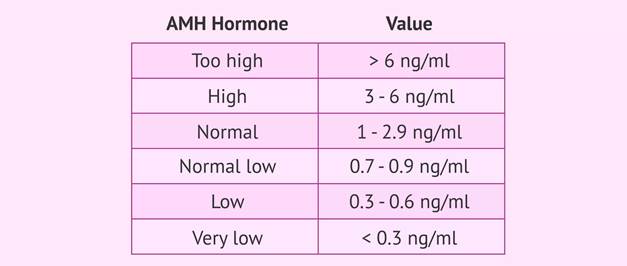
Think of it like a “reserve indicator”, not a pregnancy predictor.
 High AMH → more egg reserve Low AMH → fewer eggs left
 Not a measure of pregnancy potential
Even women with low AMH can:
-
- Ovulate regularly
-
- Conceive naturally
-
- Respond to fertility treatment
Low AMH Means Fewer Eggs, Not Always Poor Eggs
One of the most common misunderstandings is that low AMH means all remaining eggs are poor in quality. This is not correct.
Egg quality is strongly linked with age. A younger woman with low AMH may still have good-quality eggs, but fewer eggs available. A woman above 35 or 38 may face both reduced egg number and age-related decline in egg quality.
That is why the same AMH value can mean different things for different women. A fertility specialist will not look at AMH alone. They will also assess:
-
- Age
-
- Antral Follicle Count, also called AFC
-
- Period regularity
-
- Ovulation pattern
-
- FSH and estradiol levels
-
- Fallopian tube status
-
- Uterus and endometrial health
-
- Partner’s semen analysis
-
- Previous pregnancy or miscarriage history
-
- Previous fertility treatments, if any
Treatment Options for Low AMH
Natural Conception Guidance
For younger patients with:
-
- Regular ovulation
-
- No other fertility issues
-
- Short infertility duration
Timed intercourse and cycle tracking may be advised.
Ovulation Induction
Mild medications help:
-
- Improve egg development
-
- Improve timing of ovulation
-
- Increase natural conception chances
IUI (Intrauterine Insemination)
Used when:
-
- Tubes are open
-
- Mild male factor present
-
- Ovulation support is needed
IVF for Low AMH
IVF helps by:
-
- Collecting multiple eggs in one cycle
-
- Selecting best embryos
-
- Improving fertilization chances
Even with low AMH, IVF can still succeed because: Even 1 good egg = possible pregnancy
IVF with Advanced Protocols
For low AMH patients, modern IVF includes:
-
- Mild stimulation protocols
-
- Natural or mini IVF cycles
-
- Embryo banking strategy
-
- Lab-based embryo selection
Donor Egg IVF (if needed)
Considered only when:
-
- Very low ovarian response
-
- Repeated IVF failure
-
- Advanced maternal age
-
- Poor egg quality
This is a supportive—not mandatory—option.
Can Lifestyle or Supplements Improve AMH?
A healthy lifestyle can support overall fertility and egg health, but it cannot create new eggs or fully reverse low ovarian reserve. Cleveland Clinic notes that diminished ovarian reserve cannot be reversed or made to produce more eggs, but treatment plans can help patients work toward pregnancy goals.
Your doctor may advise:
-
- Balanced nutrition
-
- Healthy weight management
-
- Stopping smoking and avoiding tobacco
-
- Limiting alcohol
-
- Genetic Factor
-
- Regular moderate exercise
-
- Adequate sleep
-
- Prenatal vitamins such as folic acid
-
- Vitamin D, CoQ10, DHEA, or other supplements only when medically appropriate
Do not start fertility supplements without consulting a fertility specialist. The wrong supplement, dose, or timing may not help and may sometimes be unsuitable for your condition.
IVF for Low AMH: Is It Always Required? When Should You See a Fertility Specialist?
No. IVF is not always the first step for every woman with low AMH.
IVF may be considered earlier if:
-
- You are above 35.
-
- AMH is very low.
-
- AFC is low.
-
- Periods are irregular or shortening
-
- You are trying for 6–12 months without success
-
- Fallopian tubes are blocked.
-
- Male partner has abnormal semen analysis.
-
- You have endometriosis or previous ovarian surgery.
-
- You have previous miscarriages
NICE guidance also recommends taking ovarian reserve into account while discussing IVF treatment options.
The right decision should be made after a complete fertility assessment, not from AMH alone.
Why Choose ESHA IVF for Low AMH Fertility Care in Hyderabad?
ESHA IVF Fertility Center provides personalized fertility treatment with advanced reproductive technology and patient-centered care. ESHA IVF offers services including fertility evaluation, ovulation induction, IUI, IVF, ICSI, PGT, embryo freezing, egg freezing, donor programs, and fertility preservation.
Highlights
-
- 25+ years of trust and fertility care experience
-
- Advanced embryology and andrology lab support
-
- Personalized treatment planning
-
- IVF, IUI, ICSI, PGT, egg freezing, and embryo freezing services
-
- Care led by Dr. Chandana Reddy Lakkireddi and fertility team
-
- Convenient branches at Banjara Hills and Khajaguda, Hyderabad
-
- Supportive counselling for couples at every stage
Myths and Facts About Low AMH
Myth: Low AMH means I can never get pregnant.
Fact: Low AMH means reduced ovarian reserve, but pregnancy may still be possible naturally or with treatment.
Myth: Low AMH always means poor egg quality.
Fact: AMH mainly reflects egg quantity. Egg quality is more closely related to age.
Myth: IVF is compulsory for every low AMH patient.
Fact: Some women may try naturally or with simpler treatments first, depending on their age and fertility evaluation.
Myth: Supplements can completely reverse low AMH.
Fact: Supplements may support fertility health in selected cases, but they cannot create new eggs. Take them only under medical guidance.
Myth: One AMH report is enough to decide treatment.
Fact: AMH should be interpreted with AFC, age, ovulation, semen analysis, tube status, and overall reproductive health.
FAQs
Can I conceive naturally with low AMH?
Yes, natural pregnancy may be possible, especially if you are younger, ovulating regularly, your tubes are open, and semen parameters are normal. A fertility specialist can guide how long you should try naturally before moving to treatment.
What AMH level is considered low?
The interpretation of AMH can vary by age, lab, and clinical context. Generally, lower-than-expected AMH for age may suggest reduced ovarian reserve. Your doctor should interpret it along with ultrasound and other tests.
Does low AMH mean early menopause?
Not always. Low AMH may suggest reduced ovarian reserve, but it does not give an exact timeline for menopause.
Can AMH increase naturally?
AMH may vary slightly between tests, but ovarian reserve cannot be fully reversed. A healthy lifestyle may support egg health, but it cannot create new eggs.
Is IVF successful with low AMH?
IVF success depends on age, egg quality, ovarian response, sperm quality, embryo quality, uterus health, and lab standards. Low AMH may mean fewer eggs are retrieved, but IVF may still be helpful for selected patients.
Can I use my own eggs if AMH is low?
Many women with low AMH may still attempt treatment with their own eggs, depending on age, AFC, previous response, and overall fertility status. Donor eggs are discussed only when medically appropriate.
Should my partner also be tested?
Yes. Semen analysis is important because male factor infertility can affect treatment decisions.
When should I not delay consultation?
Do not delay if you are over 35, have very low AMH, irregular periods, blocked tubes, endometriosis, previous ovarian surgery, or have been trying for several months without success.
Take the Next Step
A low AMH report should not make you lose hope, but it should not be ignored either. The earlier you understand your fertility status, the more options you may have.
At ESHA IVF Fertility Center, Hyderabad, our team helps you understand your AMH report, evaluate your complete fertility health, and choose the right path toward pregnancy.