
Reviewed by: Dr Chandana Lakkireddi
MD GYN & OBS, FRCOG (UK) Infertility Fellowship of British Fertility Society
Renowned Fertility Specialist in Hyderabad
What Is Ovarian Stimulation in IVF?
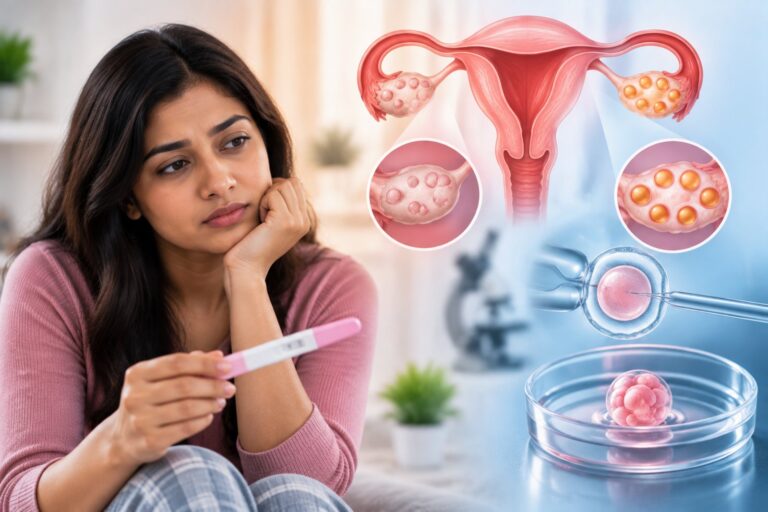
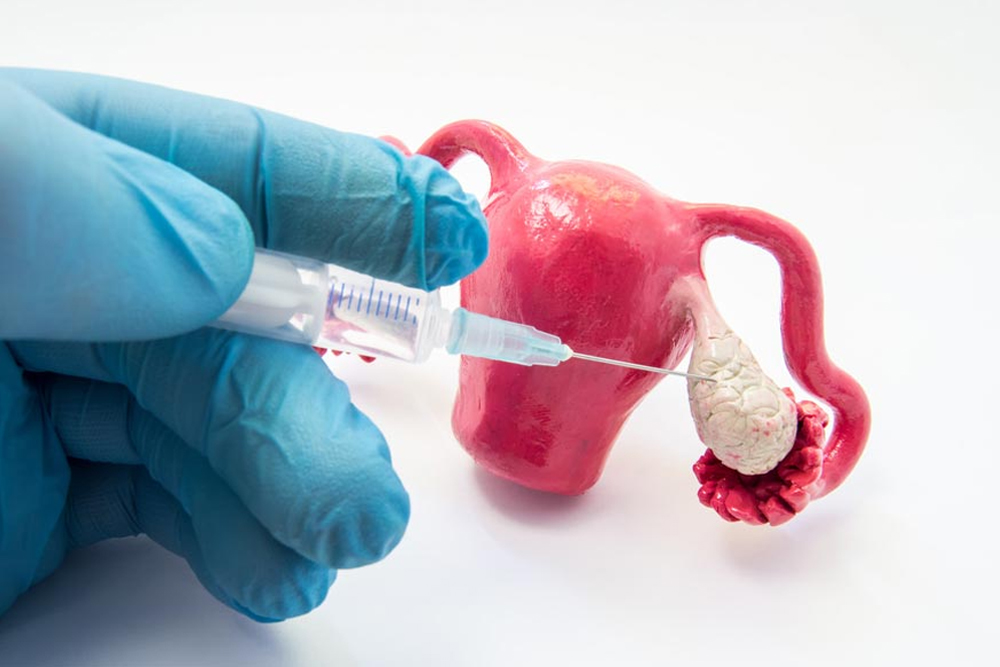
Ovarian stimulation in IVF is a key step in the fertility treatment process. During this stage, doctors use medications to help the ovaries produce more eggs than usual. Usually, a woman releases one egg each month. However, with ovarian stimulation, the goal is to grow several eggs at once. This increases the chances of success during the IVF process. In simple terms, ovarian stimulation helps collect more eggs for fertilization in the lab.
Why Is Ovarian Stimulation Needed?
Ovarian stimulation is important for several reasons. First, it allows doctors to collect multiple eggs in one cycle. More eggs mean a higher chance of creating healthy embryos. Also, not every egg will fertilize or develop well. Therefore, having more eggs gives better odds for a successful pregnancy. In addition, it helps avoid the need for repeated IVF cycles, which can be stressful and costly.
How Does Ovarian Stimulation Work?
Doctors start by giving hormone injections to the patient. These hormones tell the ovaries to grow several eggs at once. Usually, the process lasts about 8 to 14 days. During this time, doctors monitor the growth of the eggs with ultrasounds and blood tests. When the eggs are ready, another medication triggers their final growth. Soon after, doctors collect the eggs in a simple procedure. This step is called egg retrieval.
Common Medications and Protocols
Several medications are used during ovarian stimulation in IVF. Each one plays a special role. Here are some common types:
FSH (Follicle Stimulating Hormone): Helps the ovaries grow multiple eggs.
LH (Luteinizing Hormone): Supports egg growth and maturity.
GnRH agonists or antagonists: Prevent early release of eggs.
hCG (Human Chorionic Gonadotropin): Triggers final egg growth before retrieval.
Doctors choose the best protocol based on each patient’s needs. Sometimes, they use a “short protocol” or a “long protocol.” The choice depends on age, hormone levels, and past fertility history.
Possible Side Effects and Risks
Like any medical treatment, ovarian stimulation in IVF can have side effects. Most are mild, but it is good to know what to expect. Common side effects include:
Bloating or mild stomach pain
Headaches
Mood changes
Breast tenderness
Rarely, a condition called Ovarian Hyperstimulation Syndrome (OHSS) can occur. This causes the ovaries to swell and fluid to build up in the body. According to the CDC, severe OHSS is rare but may need medical care. Always tell your doctor if you feel very unwell during treatment.
What to Expect During the Process
Before starting, your doctor will explain the plan and answer questions. Next, you will give yourself daily hormone injections at home. However, some clinics offer help with this step. Regular visits to the clinic are needed for ultrasounds and blood tests. These visits help doctors check how your ovaries are responding. When the eggs are ready, you will get a final injection. Then, the egg retrieval procedure is scheduled. This is a short, minor procedure done under light sedation. Most patients go home the same day.
Tips for Patients Undergoing Ovarian Stimulation
Going through ovarian stimulation can feel overwhelming. But there are ways to make it easier:
Follow your doctor’s instructions carefully
Keep a daily schedule for your injections
Ask questions if you feel unsure about any step
Stay hydrated and eat balanced meals
Let your clinic know about any side effects
Seek support from friends, family, or a counselor
Remember, each person’s experience is unique. Therefore, it is important to stay in close contact with your fertility team.
Conclusion
In summary, ovarian stimulation in IVF is a vital part of the fertility treatment process. It helps increase the number of eggs for fertilization, which can improve the chances of pregnancy. While there are some risks and side effects, most patients complete this step safely. For the best results, follow your doctor’s advice and ask questions when needed. Consult a fertility specialist at ESHA IVF Fertility Center for personalized guidance on ovarian stimulation in IVF.
Talk to Our Fertility Experts
Have questions or need an appointment? Our team is here to support you with expert and confidential care.