
Reviewed by: Dr Chandana Lakkireddi
MD GYN & OBS, FRCOG (UK) Infertility Fellowship of British Fertility Society
Renowned Fertility Specialist in Hyderabad
Introduction
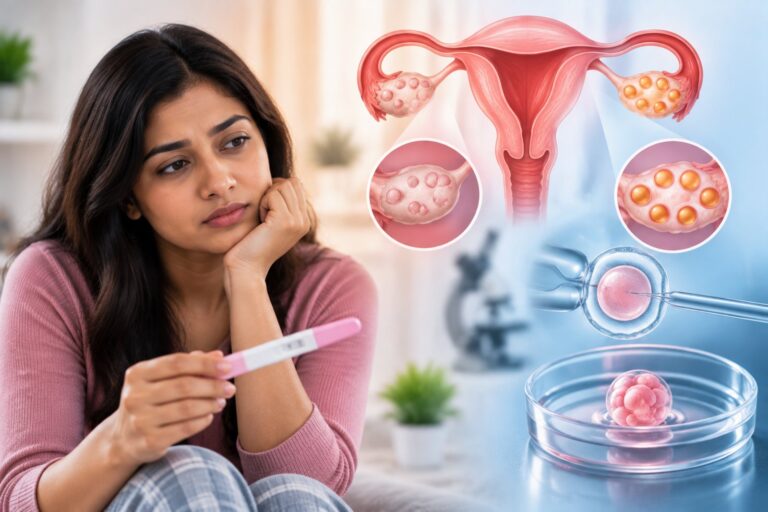
Hormonal imbalances can make it harder for some people to have children. These changes in hormone levels may affect both men and women. In fact, hormonal imbalances and fertility problems often go hand in hand. Because hormones control many body functions, even small changes can impact your ability to conceive. Understanding the link between hormones and fertility can help you seek the right care.
What Are Hormonal Imbalances?
Hormones are chemical messengers in your body. They help control growth, mood, and reproduction. Sometimes, your body makes too much or too little of certain hormones. When this happens, it is called a hormonal imbalance. For example, changes in estrogen, progesterone, or testosterone can affect your health. Many things can cause these changes, such as stress, illness, or lifestyle habits. However, some people may have hormone problems due to genetics or medical conditions.
How Hormonal Imbalances Affect Fertility
Hormonal imbalances can disrupt the normal process of having a baby. For women, hormones control the release of eggs from the ovaries. If these hormones are not balanced, ovulation may not happen. As a result, it can be hard to get pregnant. For men, hormones help make healthy sperm. If hormone levels are off, sperm count or quality may drop. Therefore, both men and women can face fertility issues due to hormone problems.
Common Symptoms and Signs
Recognizing the signs of hormonal imbalances is important. Early action can improve your chances of having a baby. Some common symptoms include:
However, not everyone will have all these symptoms. Sometimes, signs can be mild or easy to miss. If you notice changes in your body, it is wise to talk to a doctor.
Diagnostic Tests for Hormonal Imbalances
Doctors use several tests to check hormone levels. These fertility hormone tests help find the cause of fertility problems. Some common tests include:
In addition, your doctor may ask about your medical history and symptoms. Sometimes, more than one test is needed to get a clear picture. Early testing can help guide the best treatment for hormonal infertility.
Treatment Options for Hormonal Imbalances and Fertility
There are many ways to treat hormonal imbalances and improve fertility. Your doctor will choose the best plan based on your needs. Common treatment options include:
Sometimes, treating the underlying cause can restore hormone balance. For example, managing stress or losing weight may help. However, always follow your doctor’s advice for the safest results.
Lifestyle Tips for Supporting Hormonal Balance
Healthy habits can support your hormones and boost fertility. While medical treatment is important, lifestyle changes also play a key role. Try these tips:
In addition, regular check-ups can help catch problems early. Small changes can make a big difference in how to balance hormones for fertility.
Prevention and When to Seek Help
Although not all hormonal imbalances can be prevented, some steps may lower your risk. For example, healthy eating and regular exercise support hormone health. Also, avoid exposure to harmful chemicals when possible. If you have trouble getting pregnant or notice symptoms, seek help early. Early treatment can improve your chances of success. The CDC and WHO recommend seeing a fertility specialist if you have tried to conceive for one year without success, or six months if you are over 35.
Consult a fertility specialist at ESHA IVF Fertility Center for personalized advice and support.
Talk to Our Fertility Experts
Have questions or need an appointment? Our team is here to support you with expert and confidential care.