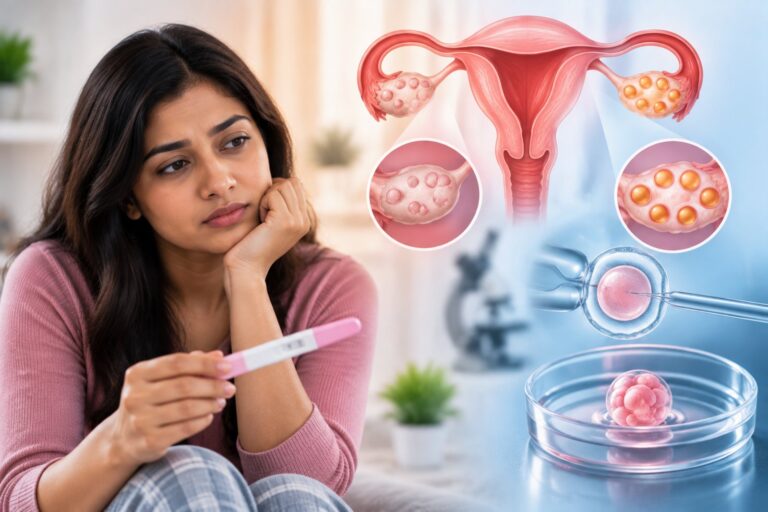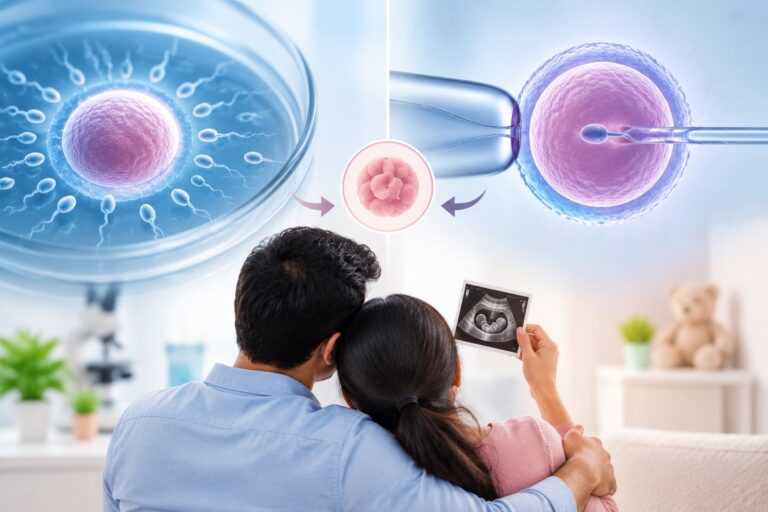

Repeated IVF failure can be a tough and emotional experience for many couples. When IVF does not work after several tries, it is called repeated IVF failure. This can cause stress, sadness, and confusion. However, understanding the reasons behind repeated IVF failure can help you take the right steps forward. In this blog, we will explain what repeated IVF failure means, its causes, how it is diagnosed, and what you can do next.
What Is Repeated IVF Failure?
IVF, or in vitro fertilization, is a process where eggs and sperm are combined outside the body to create embryos. These embryos are then placed into the uterus. Sometimes, IVF does not lead to pregnancy, even after several attempts. Repeated IVF failure usually means not getting pregnant after two or more IVF cycles with good-quality embryos. This can be very hard for couples hoping to start a family. Yet, knowing what repeated IVF failure means is the first step toward finding answers.
Common Causes of Repeated IVF Failure
There are many reasons why IVF may not work as expected. Some of the main causes include:
- Embryo quality: Sometimes, embryos do not develop well. Poor embryo quality can lower the chance of pregnancy.
- Uterine issues: Problems with the uterus, such as polyps, fibroids, or scar tissue, can stop embryos from implanting.
- Age: As women get older, egg quality and quantity decrease. This makes IVF less likely to succeed.
- Genetic factors: Genetic problems in eggs, sperm, or embryos can cause repeated IVF failure.
- Immune system issues: Sometimes, the body’s immune system may attack the embryo or prevent it from implanting.
- Hormonal problems: Imbalances in hormones can affect the lining of the uterus and embryo growth.
Because many factors can play a role, it is important to look at each case closely.
How Is Repeated IVF Failure Diagnosed?
After repeated IVF failure, doctors use several tests to find the cause. These may include:
- Reviewing past IVF cycles and medical history
- Blood tests to check hormone levels
- Genetic testing of embryos, eggs, or sperm
- Ultrasound or hysteroscopy to look at the uterus
- Tests for immune system or clotting problems
With these tests, doctors can find out why IVF is not working and suggest the best next steps.
Treatment Options After Repeated IVF Failure
Even after repeated IVF failure, there are still options to try. Some evidence-based treatments include:
- Changing IVF protocols: Doctors may adjust medications or timing to improve results.
- Preimplantation genetic testing (PGT): This test checks embryos for genetic problems before transfer.
- Treating uterine issues: Surgery or medication can fix problems like polyps or fibroids.
- Using donor eggs or sperm: If egg or sperm quality is low, using a donor may help.
- Lifestyle changes: Eating healthy, quitting smoking, and reducing stress can improve IVF success.
Because each person is different, your doctor will suggest the best plan for you.
Coping and Emotional Support
Repeated IVF failure can be very stressful. However, there are ways to cope and find support:
- Talk openly with your partner about your feelings
- Join a support group for people facing IVF challenges
- Consider speaking with a counselor or therapist
- Take time for self-care, such as exercise or hobbies
- Remember, you are not alone. Many people face similar struggles
Getting help can make a big difference in how you feel.
Prevention and Next Steps
While not all IVF failures can be prevented, some steps may help:
- Choose a fertility clinic with high success rates
- Follow your doctor’s advice closely
- Maintain a healthy weight and lifestyle
- Ask about new tests or treatments if IVF is not working
If you have had repeated IVF failure, it is important to consult a fertility specialist. They can review your case and suggest the best next steps.
Frequently Asked Questions (FAQs)
1. How many IVF cycles are considered repeated IVF failure?
Usually, not getting pregnant after two or more IVF cycles with good-quality embryos is called repeated IVF failure.
2. What are the main causes of IVF failure?
Common causes include poor embryo quality, uterine problems, age, genetics, and immune or hormonal issues.
3. What should I do after failed IVF?
After failed IVF, talk to your doctor. They may suggest more tests, new treatments, or lifestyle changes.
4. Can lifestyle changes improve IVF success?
Yes, healthy habits like eating well, not smoking, and managing stress can help improve your chances.
5. When should I see a fertility specialist?
If you have had repeated IVF failure or are unsure what to do next, see a fertility specialist for expert advice.
Conclusion
Repeated IVF failure can be hard, but understanding the causes and options can help. With the right support and care, many couples find answers and hope. Consult a fertility specialist at ESHA IVF Fertility Center for personalized guidance and the best next steps for your journey. Our expert team is here to provide the care and support you need to achieve your dreams of parenthood.