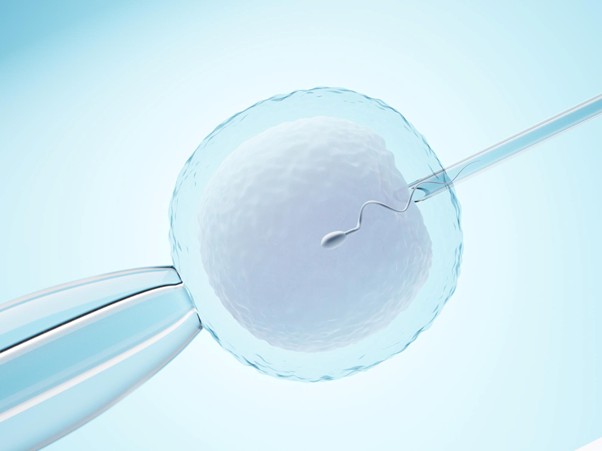
What is PICSI?
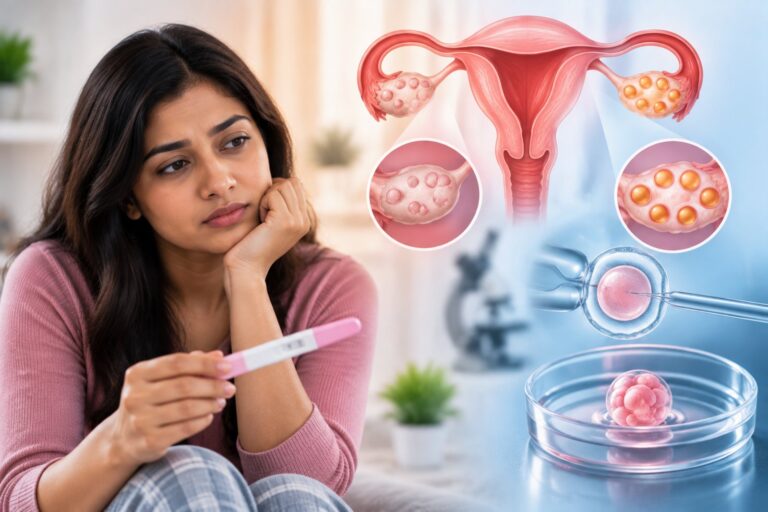
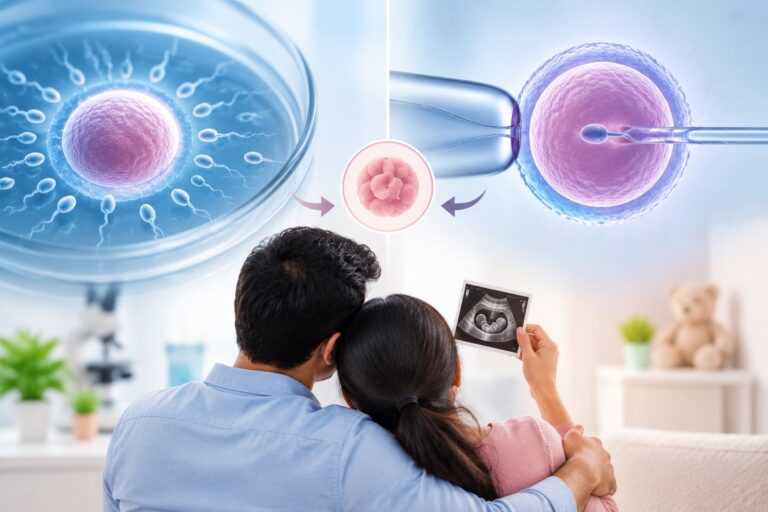
PICSI stands for Physiological Intracytoplasmic Sperm Injection. It is a special technique used in fertility treatments. Many couples choose PICSI when they face trouble getting pregnant. Unlike regular ICSI, PICSI helps select the healthiest sperm for fertilization. Because of this, many people want to know if PICSI can improve their chances of having a baby.
How Does the PICSI Procedure Work?
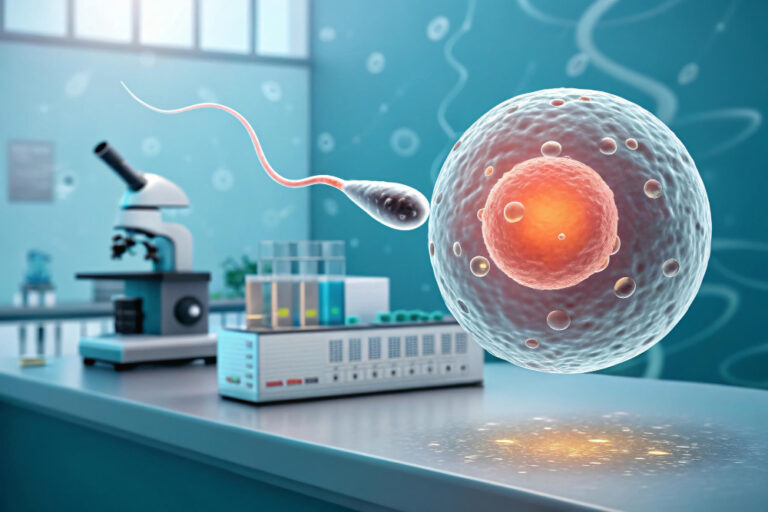
During the PICSI procedure, doctors use a special dish. This dish contains a natural substance called hyaluronan. Healthy sperm can stick to hyaluronan, while less healthy sperm cannot. First, doctors place sperm in the dish. Then, they watch which sperm attach to the hyaluronan. After that, they pick the best sperm and inject it into the egg. This step is similar to ICSI, but PICSI adds an extra layer of selection.
Who Should Consider PICSI?
PICSI may not be for everyone. However, some people may benefit more than others. You may want to consider PICSI if:
- You have had failed IVF or ICSI cycles before
- Your sperm shows signs of DNA damage
- There is unexplained infertility
- You have poor embryo quality in past treatments
Still, your doctor can help decide if PICSI is right for your situation.
Benefits of PICSI
PICSI offers several possible benefits. For example, it helps select sperm that are more likely to be healthy. This may improve the chances of fertilization. In addition, PICSI may lower the risk of miscarriage. Some studies suggest it can lead to better embryo quality. Here are some key benefits:
- Better sperm selection
- May reduce miscarriage rates
- Could improve embryo quality
- Might increase pregnancy chances for some couples
However, results can vary from person to person.
Risks and Limitations of PICSI
Although PICSI is safe for most people, it does have some risks and limits. For instance, not all clinics offer PICSI. Also, it may not help everyone. Some studies show only small improvements in pregnancy rates. In rare cases, the extra step may add cost or time to your treatment. It is important to talk with your doctor about the risks and benefits for you.
PICSI Success Rates: What the Research Shows
Many people ask about PICSI success rates. Research shows mixed results. Some studies find that PICSI can lower miscarriage rates. Others see only small changes in pregnancy rates compared to ICSI. For example, a review in the journal Human Reproduction Update found that PICSI may help some couples, especially those with sperm DNA damage. Still, more research is needed. Your doctor can explain what these numbers mean for you.
What to Expect During and After PICSI
Before the PICSI procedure, you will give a sperm sample. Next, the lab team prepares the special dish with hyaluronan. Then, they select the best sperm and inject it into the egg. After the procedure, you will wait for fertilization results. If embryos grow well, they can be placed in the uterus. After that, you will wait for a pregnancy test. The process is similar to regular ICSI, but with an extra step for sperm selection.
Frequently Asked Questions about PICSI
- Is PICSI better than ICSI? PICSI adds an extra step to select healthy sperm. However, it may not always lead to higher pregnancy rates.
- Does PICSI increase the chance of twins? No, PICSI does not change the chance of twins. The number of embryos transferred affects this risk.
- Is PICSI safe? Yes, PICSI is considered safe. But, as with any procedure, there are some risks.
- How much does PICSI cost? Costs vary by clinic. It is best to ask your fertility center for details.
Conclusion and Next Steps
PICSI is a helpful tool for some couples facing infertility. It offers a way to select the healthiest sperm for fertilization. While it may not work for everyone, it can improve outcomes for some. If you are considering fertility treatment, talk to your doctor about PICSI. They can help you decide if it is right for you.
Consult Esha IVF Fertility Centre to learn if PICSI is right for you.