Introduction
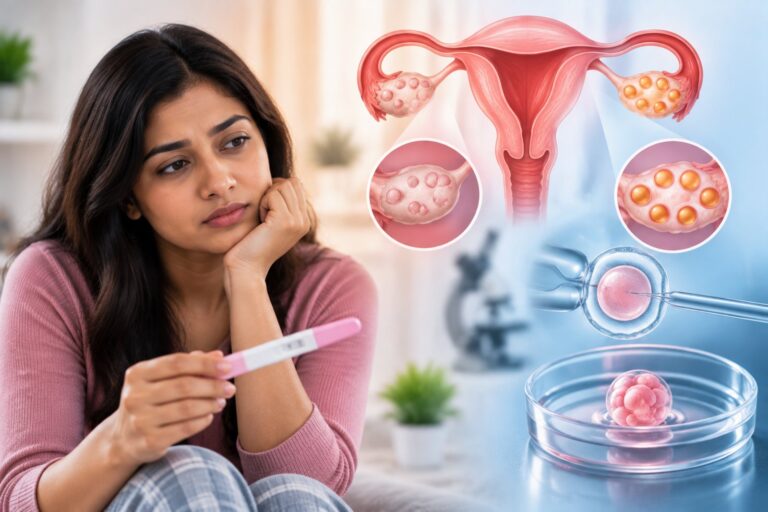
Female infertility affects millions of women worldwide. In fact, about 10% of women face trouble getting pregnant or carrying a pregnancy to term, according to the CDC. Female infertility means a woman cannot get pregnant after trying for at least one year. Because this condition is common, it is important to understand its causes, symptoms, and treatment options. Early awareness can help women seek help sooner and improve their chances of having a baby.
What is Female Infertility?
Female infertility is when a woman has difficulty becoming pregnant despite regular, unprotected sex for a year or longer. Sometimes, women may get pregnant but have trouble staying pregnant. Although infertility can be stressful, many women find answers and support through medical care. Understanding what female infertility means is the first step toward finding help.
Common Symptoms of Female Infertility
Often, the main sign of female infertility is not getting pregnant. However, other symptoms may also appear. For example, some women notice changes in their periods. Others may have pain or unusual bleeding. Below are common symptoms to watch for:
- Irregular or missed periods
- Very heavy or very light periods
- Painful periods or pelvic pain
- No periods at all
- Unexplained weight gain or hair growth
Because these symptoms can have many causes, it is important to talk to a doctor if you notice them.
Major Causes of Female Infertility
Many factors can lead to female infertility. Sometimes, more than one cause is involved. Below are some of the most common reasons:
- Ovulation problems: If a woman does not release eggs regularly, pregnancy cannot happen. Conditions like polycystic ovary syndrome (PCOS) often cause this.
- Blocked fallopian tubes: Tubes can become blocked by infections, endometriosis, or past surgeries. When this happens, eggs cannot meet sperm.
- Uterine issues: Problems like fibroids or polyps can make it hard for a fertilized egg to attach.
- Hormone imbalances: Hormones control the menstrual cycle. If they are out of balance, it can affect fertility.
- Age: As women get older, their chances of getting pregnant decrease. Fertility drops sharply after age 35.
- Lifestyle factors: Smoking, drinking alcohol, being overweight, or underweight can also affect fertility.
Because causes can vary, doctors often check for several issues during evaluation.
How Female Infertility is Diagnosed
Doctors use several tests to find out why a woman cannot get pregnant. First, they ask about your health, periods, and lifestyle. Then, they may suggest tests such as:
- Blood tests: These check hormone levels and look for signs of ovulation.
- Ultrasound: This scan looks at the ovaries and uterus for any problems.
- Hysterosalpingography (HSG): This special X-ray checks if the fallopian tubes are open.
- Laparoscopy: In some cases, doctors use a small camera to look inside the belly for issues like endometriosis.
Because each woman is different, your doctor will choose the tests that fit your needs. Early diagnosis can help find the best treatment plan.
Treatment Options for Female Infertility
There are many female infertility treatment options available today. The right choice depends on the cause of infertility. Some common treatments include:
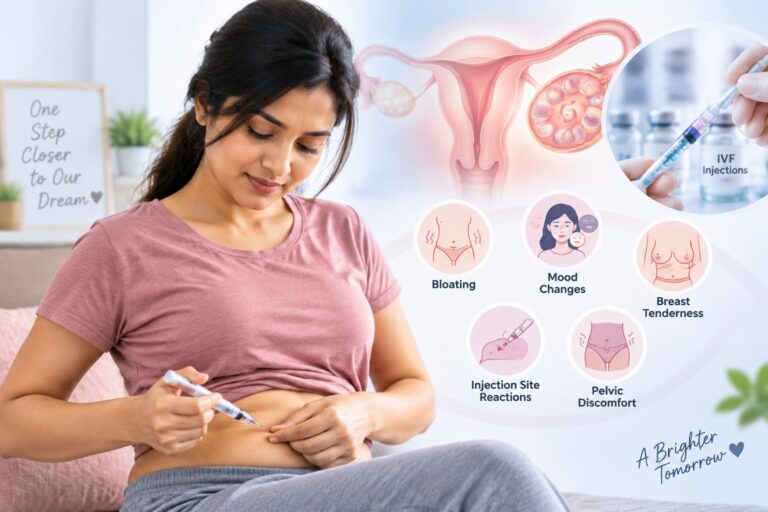
- Medications: Medicines can help women ovulate or balance hormones.
- Surgery: Doctors may remove blockages or fix problems in the uterus or fallopian tubes.
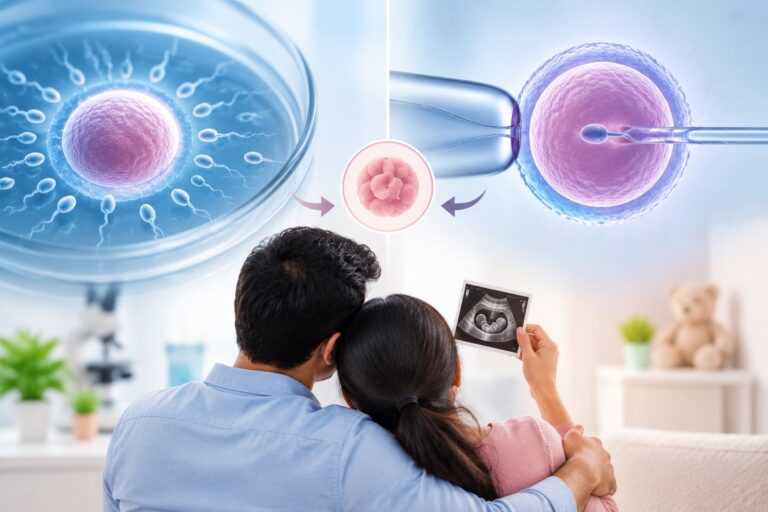
- Assisted reproductive technology (ART): In vitro fertilization (IVF) is a well-known method. It helps eggs and sperm meet outside the body.
- Intrauterine insemination (IUI): Doctors place sperm directly into the uterus to help fertilization.
Because every woman is unique, treatment plans are tailored to each person. Many women find success with these options.
Lifestyle Tips and Prevention
Although not all causes of female infertility can be prevented, healthy habits may lower the risk. Here are some helpful tips:
- Maintain a healthy weight
- Eat a balanced diet rich in fruits and vegetables
- Avoid smoking and limit alcohol
- Manage stress with exercise or relaxation techniques
- See your doctor for regular check-ups
Because small changes can make a big difference, start healthy habits early. Prevention is always better than cure.
When to See a Doctor
If you have tried to get pregnant for a year without success, it is time to see a doctor. However, women over 35 should seek help after six months of trying. Also, see a doctor sooner if you have irregular periods, severe pain, or a known health problem. Early help can improve your chances of having a baby.
In summary, female infertility is common but treatable. Many women go on to have healthy pregnancies with the right care. If you are concerned, consult Esha IVF Fertility Centre for personalized advice and support.