

Reviewed by: Dr Chandana Lakkireddi
MD GYN & OBS, FRCOG (UK) Infertility Fellowship of British Fertility Society
Renowned Fertility Specialist in Hyderabad
Introduction
Many couples wonder about the impact of stress on IVF success. IVF, or in vitro fertilization, can be a stressful journey. However, research shows that high stress levels may affect IVF outcomes. While stress alone does not always cause IVF to fail, it can make the process harder. For this reason, learning how to manage stress during IVF is important. In this blog, we will explore how stress affects IVF, common sources of stress, and ways to reduce stress for better IVF outcomes.
What is IVF?
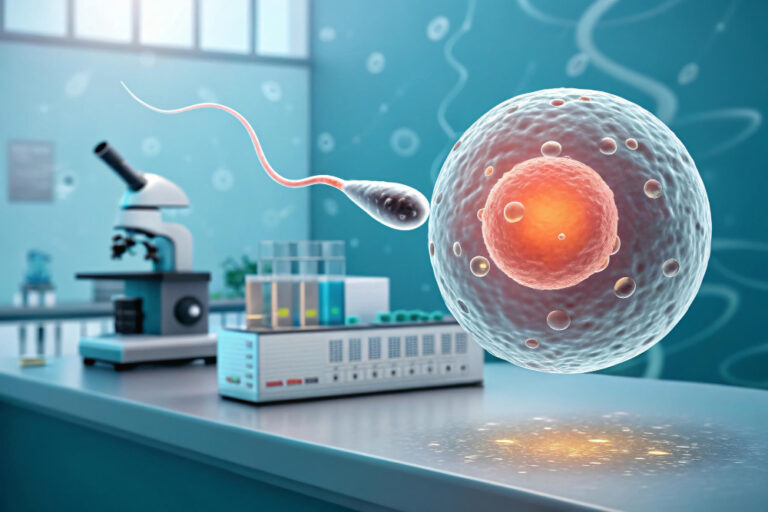
IVF stands for in vitro fertilization. It is a process that helps people have a baby when natural pregnancy is hard. During IVF, eggs are taken from the ovaries and mixed with sperm in a lab. If an embryo forms, it is placed in the uterus. IVF can help with many fertility problems. But, it can also be an emotional and physical challenge.
How Stress Impacts IVF Success
Stress can affect the body in many ways. For example, it may change hormone levels and sleep patterns. Some studies suggest that high stress may lower IVF success rates. According to the CDC, stress can affect the body’s ability to handle medical treatments. However, not all research agrees. Even so, most experts believe that reducing stress can help people feel better during IVF. Managing stress may also improve the chances of a healthy pregnancy.
Common Sources of Stress During IVF
Many people feel stress during IVF for different reasons. Some common sources include:
Worry about the outcome of the treatment
Financial costs and insurance issues
Physical side effects from medicines
Frequent doctor visits and tests
Pressure from family or friends
Feeling alone or misunderstood
Because IVF is a big step, it is normal to feel stress at times. But, knowing the sources can help you cope better.
Recognizing Signs of Stress
It is important to notice signs of stress early. That way, you can take steps to manage it. Look for these signs:
Trouble sleeping or feeling tired all the time
Feeling sad, worried, or angry often
Changes in appetite
Headaches or stomach aches
Finding it hard to focus
Withdrawing from friends or family
If you notice these signs, try to address them soon. Early action can make a big difference.
Evidence-Based Ways to Manage Stress During IVF
There are proven ways to manage stress during IVF. For example, the American Society for Reproductive Medicine suggests these methods:
Practice deep breathing or meditation daily
Join a support group for people going through IVF
Talk openly with your partner about your feelings
Consider seeing a counselor who understands fertility issues
Stay active with gentle exercise, like walking or yoga
Because everyone is different, you may need to try a few methods to see what works best for you.
Lifestyle Tips for Reducing Stress
Simple lifestyle changes can help reduce stress for better IVF outcomes. Here are some tips:
Eat balanced meals and drink enough water
Get enough sleep each night
Limit caffeine and avoid alcohol
Spend time doing things you enjoy, like reading or listening to music
Stay connected with friends and family
Set small, realistic goals for each day
Additionally, try to focus on what you can control. This can help you feel more at ease during the IVF process.
When to Seek Professional Help
Sometimes, stress can feel overwhelming. If you notice that stress is affecting your daily life, it may be time to seek help. Signs you may need extra support include:
Feeling hopeless or very sad for more than two weeks
Having trouble doing daily tasks
Thinking about harming yourself
Feeling unable to cope, even with support
If you need help, talk to your doctor or a mental health professional. Many clinics also offer counseling or support groups. In some cities, local IVF support groups can be a great resource.
Conclusion
In summary, the impact of stress on IVF success is real, but you can take steps to manage it. By learning about stress management during IVF, you can improve your well-being and support your fertility journey. Consult a fertility specialist at ESHA IVF Fertility Center for personalized advice on managing stress during IVF.
Talk to Our Fertility Experts
Have questions or need an appointment? Our team is here to support you with expert and confidential care.