
What is Recurrent Pregnancy Loss?
Recurrent pregnancy loss means having two or more miscarriages in a row. Many people feel worried or confused when this happens. However, you are not alone. According to the World Health Organization, about 1 in 100 couples face recurrent miscarriages. At ESHA IVF Fertility Center, fertility specialists help people understand and manage this condition. Early support and the right care can make a big difference.
Common Causes of Recurrent Miscarriages
There are many reasons why recurrent pregnancy loss can happen. Sometimes, doctors cannot find a clear cause. Yet, several common factors may play a role:Genetic problems: Changes in the baby’s genes can lead to miscarriage. In some couples, one partner may carry a balanced chromosomal rearrangement without having any symptoms. Karyotyping can help identify such chromosomal changes in either partner.Hormone issues: Problems with thyroid or other hormones may affect pregnancy.Uterine conditions: Some women have a uterus shape that makes pregnancy harder.Blood clotting disorders: These can cause problems with the placenta. One important condition is Antiphospholipid Antibody Syndrome (APLA/APS), an autoimmune disorder in which abnormal antibodies can increase the risk of blood clots and recurrent pregnancy loss.Infections: Certain infections can raise the risk of miscarriage.Lifestyle factors: Smoking, drinking alcohol, or being very overweight can increase risk.Male fertility factors: In selected cases, sperm DNA fragmentation may also be evaluated. A Semen DNA Fragmentation Index (DFI) test measures the amount of damaged DNA within sperm and may provide additional information beyond a routine semen analysis.
While not all causes are preventable, knowing the risks helps guide treatment. For example, a fertility specialist can check for these issues at ESHA IVF Fertility Center.
Symptoms and Warning Signs
Most miscarriages happen in the first 12 weeks of pregnancy. Sometimes, there are warning signs. For instance, you may notice:Vaginal bleeding or spottingCramping or pain in the lower bellyPassing tissue or clots from the vaginaSudden loss of pregnancy symptoms, like breast tenderness
However, some miscarriages have no clear symptoms. If you notice any of these signs, contact a doctor or fertility specialist right away. Early care can help protect your health.
How Recurrent Pregnancy Loss is Diagnosed
Doctors use several steps to find out why recurrent pregnancy loss happens. First, they ask about your health history and past pregnancies. Then, they may suggest tests, such as:Blood tests to check for hormone or blood clotting problemsThis may include testing for antiphospholipid antibodies when APLA/APS is suspected.Genetic tests for you and your partnerKaryotyping may be advised to check whether either partner has a chromosomal rearrangement that could contribute to repeated miscarriage.Ultrasound to look at the uterus and ovariesTests for infectionsSemen DFI testing may be considered in selected couples to assess sperm DNA fragmentation, especially when recurrent loss remains unexplained or male-factor concerns are present.
Because each person is different, your fertility specialist at ESHA IVF Fertility Center will choose the best tests for you. In many cases, finding the cause helps guide the right treatment plan.
Treatment Options for Recurrent Pregnancy Loss
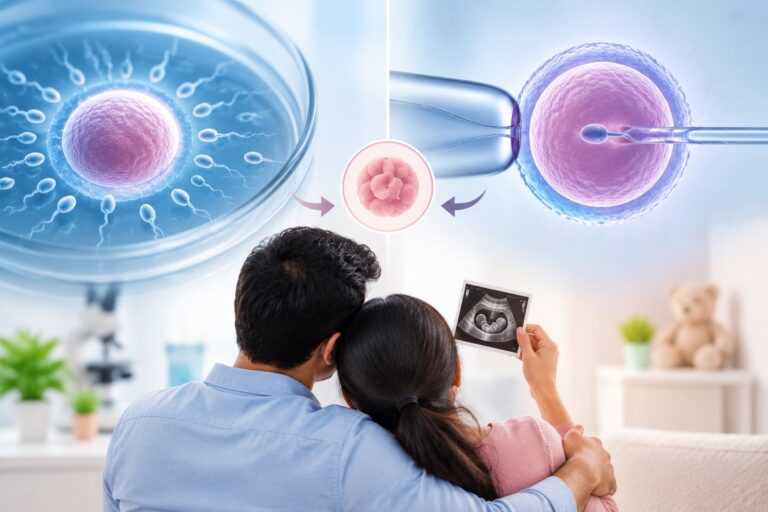
Once doctors find a cause, they can suggest treatments to help lower the risk of another miscarriage. Treatment options may include:Medicines to balance hormones or treat infectionsBlood thinners if you have a clotting disorderFor women diagnosed with APLA/APS, treatment may include low-dose aspirin and/or anticoagulant therapy under specialist supervision.Surgery to fix problems in the uterusGenetic counseling for couples with gene changesSpecial care and close monitoring during pregnancyIVF with Preimplantation Genetic Testing (PGT) may be discussed in selected couples with specific genetic or chromosomal concerns. During PGT, embryos created through IVF are tested before embryo transfer to help identify embryos without the particular chromosomal or genetic abnormality being evaluated. PGT is not required for every case of recurrent pregnancy loss and should be recommended based on the couple’s individual findings.
Sometimes, no cause is found. Even then, many women go on to have healthy pregnancies with support from a fertility specialist.
How Fertility Specialists at ESHA IVF Fertility Center Can Help
At ESHA IVF Fertility Center, fertility specialists use advanced tools and caring support to help people facing recurrent pregnancy loss. For example, they offer:Personalized testing to find the cause of miscarriagesThis may include karyotyping, APLA/APS evaluation, and semen DFI testing when clinically appropriate.Expert advice on treatment optionsEmotional support for you and your familyAdvanced fertility treatments, such as IVF, if neededFor selected couples, IVF may also be combined with PGT when genetic or chromosomal factors are identified.
Close monitoring during early pregnancy
Because every person’s journey is unique, the team at ESHA IVF Fertility Center creates a care plan just for you. With their help, many couples achieve a healthy pregnancy.
Lifestyle Tips and Prevention Strategies
While not all miscarriages can be prevented, some healthy habits may lower the risk. For instance, you can:Eat a balanced diet rich in fruits and vegetablesMaintain a healthy weightAvoid smoking, alcohol, and illegal drugsManage stress with relaxation techniquesTake prenatal vitamins with folic acidVisit your doctor for regular check-ups
Additionally, following your fertility specialist’s advice can help protect your health and support your pregnancy journey. If you have questions, the team at ESHA IVF Fertility Center is ready to help.