
Reviewed by: Dr Chandana Lakkireddi
MD GYN & OBS, FRCOG (UK) Infertility Fellowship of British Fertility Society
Renowned Fertility Specialist in Hyderabad
Introduction
Choosing a fertility treatment can feel overwhelming. Many couples and individuals want to know the difference between IVF and ICSI. Both are advanced assisted reproductive technology options. IVF treatment and ICSI treatment help people facing infertility. However, the right choice depends on your unique situation. A fertility specialist at ESHA IVF Fertility Center can guide you. Our team offers personalized fertility care and advanced fertility treatment options.
What Is IVF Treatment?
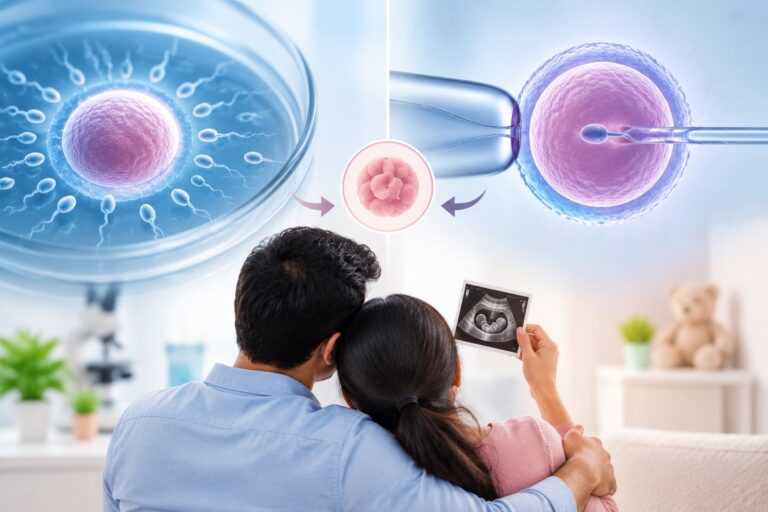
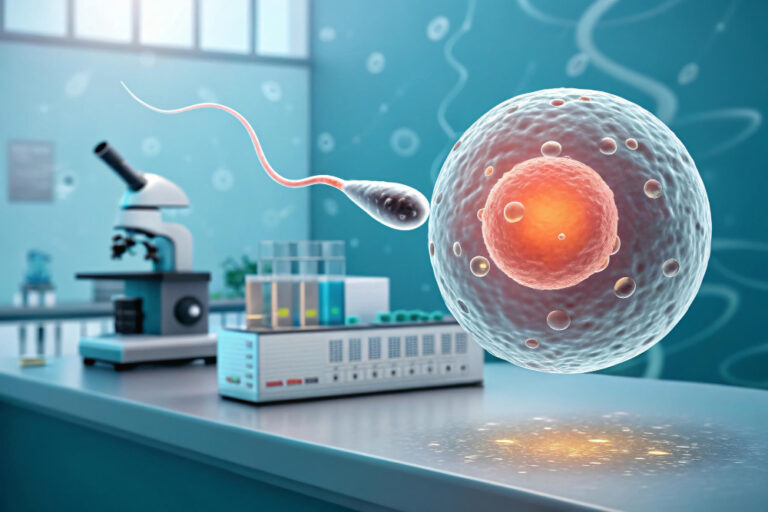
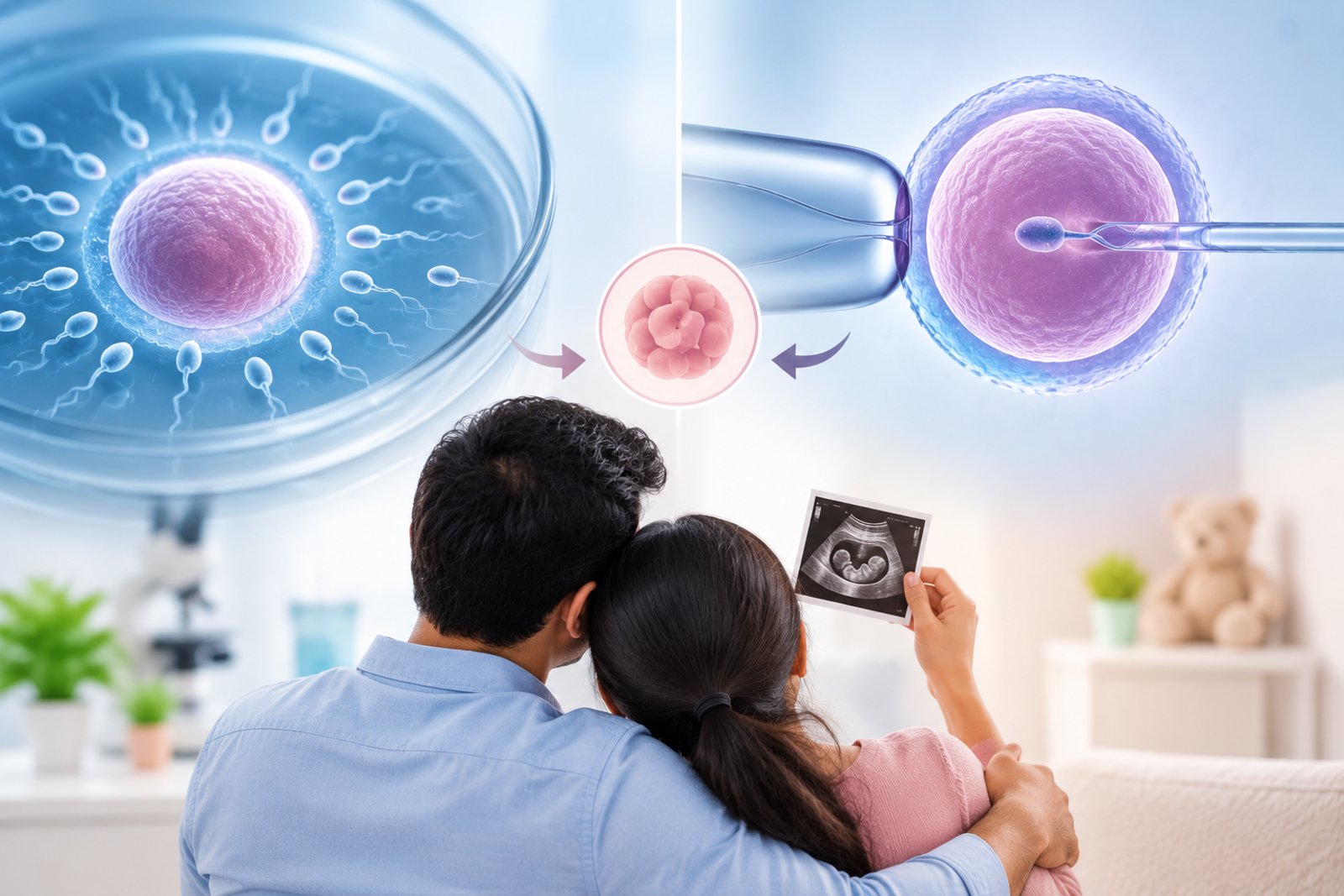
IVF stands for in vitro fertilization. In this process, eggs and sperm are combined in a lab. The goal is for the sperm to fertilize the egg naturally. After fertilization, the embryo is monitored for healthy development. Then, the best embryo is placed in the uterus. IVF fertility treatment involves several steps:
IVF is a common infertility treatment option for many couples.
What Is ICSI Treatment?
ICSI stands for intracytoplasmic sperm injection. It is a special form of IVF. In ICSI treatment, a single healthy sperm is injected directly into an egg. This helps when there are problems with sperm quality or movement. ICSI is often used as a male infertility treatment or low sperm count treatment. The rest of the process is similar to IVF. Embryo development is closely monitored before transfer.
IVF vs ICSI: Key Differences
Understanding the difference between IVF and ICSI can help you make informed choices. Here are the main differences:
Both IVF and ICSI are important assisted reproductive technology options.
When Is ICSI Recommended?
ICSI treatment is not needed for every IVF case. However, it is recommended in certain situations, such as:
Your fertility specialist will decide if ICSI is the best option for you.
When Is IVF Recommended?
IVF treatment is often recommended for:
IVF is a trusted infertility treatment option for many couples.
Is ICSI Better Than IVF?
Some people wonder if ICSI is better than IVF. However, neither treatment is always better. The choice depends on the cause of infertility. For example, ICSI is best for sperm-related problems. IVF works well for other causes. Therefore, a personalized treatment plan is important. Your fertility specialist will help you choose the right option.
Factors That Influence Fertility Treatment Selection
Several factors help decide between IVF and ICSI. These include:
Because every person is different, a fertility specialist will review your case in detail.
Success Factors in IVF and ICSI Treatment
Success in IVF and ICSI depends on many things. For instance, age is a key factor. Egg and sperm quality also matter. Embryo development and uterine health play a role. Good overall health can improve outcomes. However, no treatment can guarantee pregnancy. The team at ESHA IVF Fertility Center uses evidence-based care to support your journey. (Source: CDC, WHO)
Why Choosing the Right Fertility Centre Matters
Choosing the best IVF center is important for your care. Experienced fertility specialists and skilled embryologists make a difference. Modern labs and advanced technology help improve results. Individualized treatment planning is key. At ESHA IVF Fertility Center, you receive compassionate support and the latest fertility treatment options. Our team is dedicated to your well-being and success.
Frequently Asked Questions (FAQs)
Conclusion
Both IVF and ICSI are valuable fertility treatment options. The right choice depends on your unique needs and a detailed evaluation. Considering IVF or ICSI treatment? Consult ESHA IVF Fertility Center for personalised fertility evaluation and guidance on choosing the right treatment option for your journey towards parenthood.