Introduction
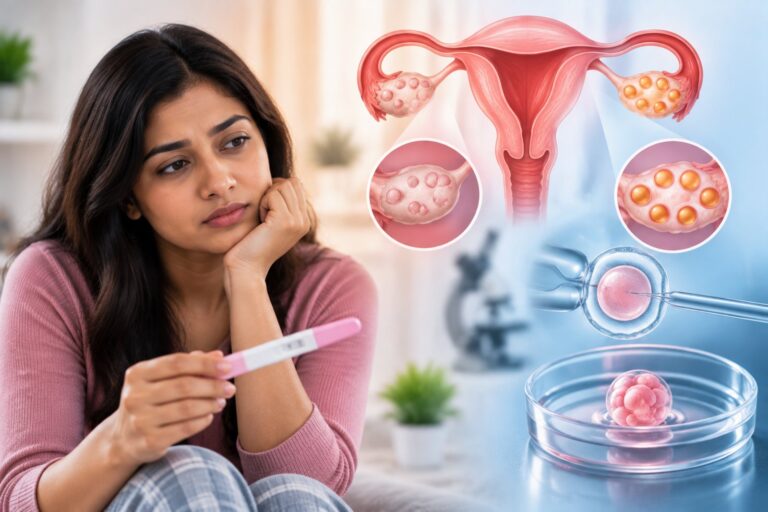
Premature ovarian failure, also called primary ovarian insufficiency, happens when the ovaries stop working before age 40. Usually, ovaries make hormones and release eggs until menopause, which often occurs around age 50. However, in premature ovarian failure, this process ends much earlier. As a result, women may face early menopause symptoms and fertility problems. Understanding this condition is important because it affects both health and quality of life.
Causes of Premature Ovarian Failure
There are several reasons why premature ovarian failure can occur. Sometimes, the cause is unknown. However, doctors have found some common factors:
- Genetic conditions: Some women inherit genes that affect their ovaries. For example, Turner syndrome and fragile X syndrome can lead to early menopause causes.
- Autoimmune diseases: In some cases, the body’s immune system attacks the ovaries by mistake.
- Cancer treatments: Chemotherapy and radiation can damage the ovaries, leading to POF symptoms.
- Infections: Rarely, certain viral infections may harm the ovaries.
- Surgery: Removing the ovaries for medical reasons will cause premature ovarian failure.
Even so, many women never find out the exact cause. Still, knowing these risks can help with early diagnosis.
Common Symptoms
Premature ovarian failure often causes symptoms similar to menopause. Yet, these signs can appear much earlier than expected. Watch for these common symptoms:
- Irregular or missed periods
- Hot flashes or night sweats
- Trouble sleeping
- Vaginal dryness
- Mood changes, such as feeling sad or anxious
- Difficulty getting pregnant
Because these symptoms can be mild at first, many women may not notice them right away. However, if you spot these changes, it is important to talk to your doctor.
Diagnosis Methods
Doctors use several steps to diagnose premature ovarian failure. First, they ask about your symptoms and medical history. Next, they may order tests, such as:
- Blood tests: These check hormone levels, including follicle-stimulating hormone (FSH) and estrogen.
- Genetic tests: Sometimes, doctors look for gene changes linked to POF symptoms.
- Pelvic ultrasound: This test checks the size and shape of the ovaries.
Because other conditions can cause similar symptoms, these tests help confirm the diagnosis. Early diagnosis can lead to better care and support.
Treatment Options
While there is no cure for premature ovarian failure, treatment can help manage symptoms and improve quality of life. Common treatment options include:
- Hormone replacement therapy (HRT): This replaces lost hormones and can ease hot flashes, night sweats, and vaginal dryness.
- Calcium and vitamin D: These help keep bones strong, as early menopause can raise the risk of osteoporosis.
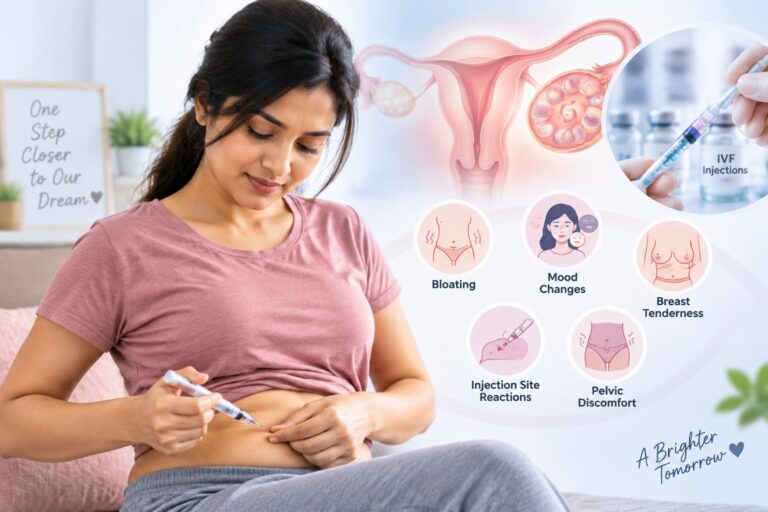
- Fertility treatments: Some women may try donor eggs or other assisted reproductive methods if they wish to become pregnant.
Even though treatment for premature ovarian failure cannot restore normal ovary function, it can help women feel better and stay healthy.
Lifestyle Guidance and Coping Strategies
Living with premature ovarian failure can be challenging. However, there are ways to cope and stay healthy:
- Eat a balanced diet rich in calcium and vitamin D
- Exercise regularly to support bone and heart health
- Join a support group to connect with others facing similar issues
- Talk openly with your doctor about your feelings and concerns
- Consider counseling if you feel sad or anxious
Because emotional support is important, do not hesitate to reach out for help.
Prevention Tips
In many cases, premature ovarian failure cannot be prevented. However, you can lower some risks by:
- Avoiding smoking, as it can harm the ovaries
- Protecting yourself from infections that may affect reproductive health
- Discussing cancer treatment options with your doctor to reduce ovary damage
Although not all causes can be controlled, making healthy choices can support overall well-being.
Conclusion
Premature ovarian failure is a serious condition that affects many women. However, with early diagnosis and proper care, you can manage symptoms and protect your health. If you notice changes in your periods or have concerns about early menopause causes, consult a specialist at Esha IVF Fertility Centre for personalized guidance.