
Introduction to Hormonal Imbalance and Infertility
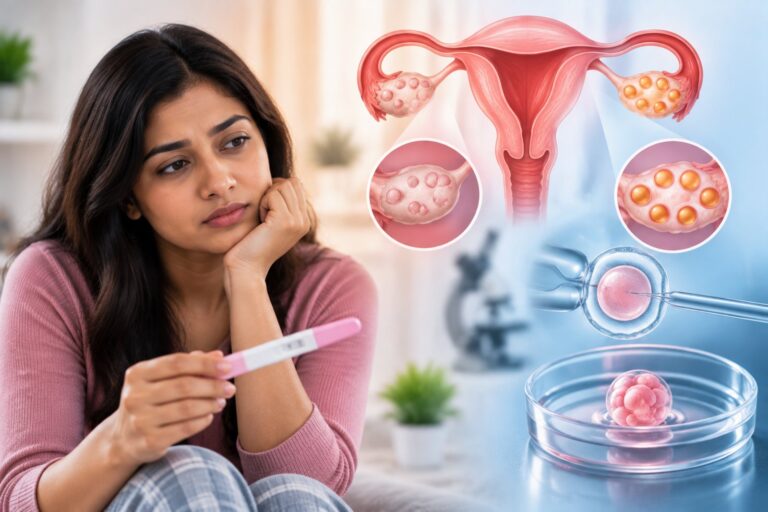
Many women struggle with infertility, and often, hormonal imbalance in infertility is a key factor. Hormones control many body functions, including the ability to get pregnant. When these hormones are not balanced, it can make it hard to conceive. According to the World Health Organization (WHO), about 1 in 6 people worldwide face infertility. For women, hormonal problems are a common cause. Understanding this link can help you take steps toward better health.
Common Hormones Involved in Female Fertility
Several hormones play a role in female fertility. Each hormone has a special job. When one is out of balance, it can affect the whole system. Here are the main hormones involved:
- Estrogen: Helps grow and release eggs from the ovaries.
- Progesterone: Prepares the uterus for a baby.
- Luteinizing Hormone (LH): Triggers egg release during ovulation.
- Follicle-Stimulating Hormone (FSH): Helps eggs mature in the ovaries.
- Thyroid Hormones: Control many body functions, including periods.
- Prolactin: High levels can stop ovulation.
Because these hormones work together, even a small change can cause problems.
How Hormonal Imbalance Causes Infertility
Hormonal imbalance in infertility can stop normal ovulation. Without ovulation, there is no egg for sperm to meet. Sometimes, periods become irregular or stop. In other cases, the uterus may not be ready for a baby. For example, too much prolactin can block ovulation. Likewise, thyroid problems can disrupt the menstrual cycle. Polycystic ovary syndrome (PCOS) is another common cause. It leads to high androgens, which can stop eggs from maturing. As a result, getting pregnant becomes difficult.
Symptoms and Warning Signs
Often, women notice signs of hormonal imbalance before they know it affects fertility. Watch for these symptoms:
- Irregular or missed periods
- Heavy or very light bleeding
- Unusual hair growth or hair loss
- Acne or oily skin
- Unexplained weight gain or loss
- Hot flashes or night sweats
- Breast discharge (not related to breastfeeding)
Because these symptoms can have many causes, it is important to talk to a doctor if you notice them.
Diagnosis: How Doctors Identify Hormonal Imbalance
Doctors use several steps to find hormonal imbalance in infertility. First, they ask about your health and periods. Next, they may do a physical exam. Blood tests check hormone levels like FSH, LH, estrogen, and thyroid hormones. Sometimes, doctors use ultrasound to look at the ovaries and uterus. In some cases, they may check for PCOS or thyroid disease. Early diagnosis helps find the best treatment for infertility in women.
Treatment Options and Lifestyle Tips
Treatment for infertility in women depends on the cause. Doctors may suggest:
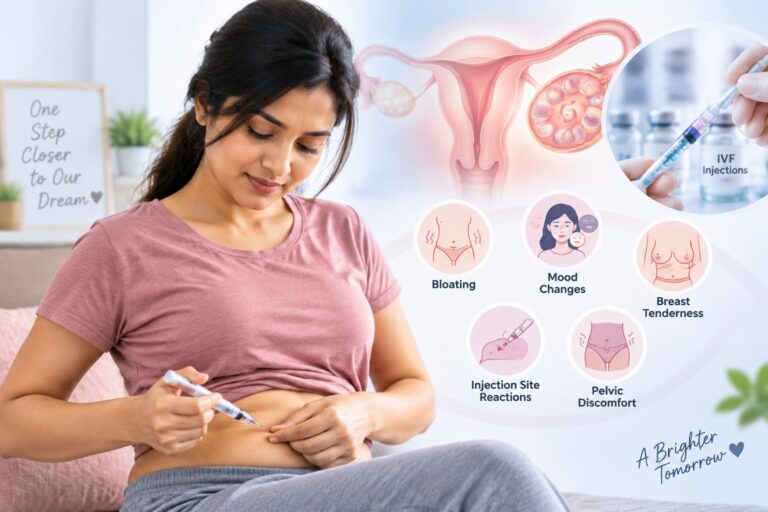
- Hormone medicines to balance levels
- Drugs to help ovulation
- Treating thyroid or pituitary problems
- Managing PCOS with medicine or lifestyle changes
Besides medical care, lifestyle changes can help balance hormones for fertility. For example:
- Eat a healthy, balanced diet
- Exercise regularly, but not too much
- Maintain a healthy weight
- Reduce stress with yoga or meditation
- Avoid smoking and limit alcohol
Because every woman is different, your doctor will suggest the best plan for you.
Prevention and When to Seek Help
While not all causes can be prevented, some steps may lower your risk. For instance, keeping a healthy weight and managing stress can help. If you have irregular periods, trouble getting pregnant, or other hormonal imbalance symptoms, see a doctor. Early help can improve your chances of success. If you are looking for infertility treatment in your area, many clinics offer support and guidance.
In summary, hormonal imbalance in infertility is a common but treatable problem. With the right care, many women can achieve their dream of having a baby. Consult Esha IVF Fertility Center for personalised guidance on hormonal imbalance and infertility.