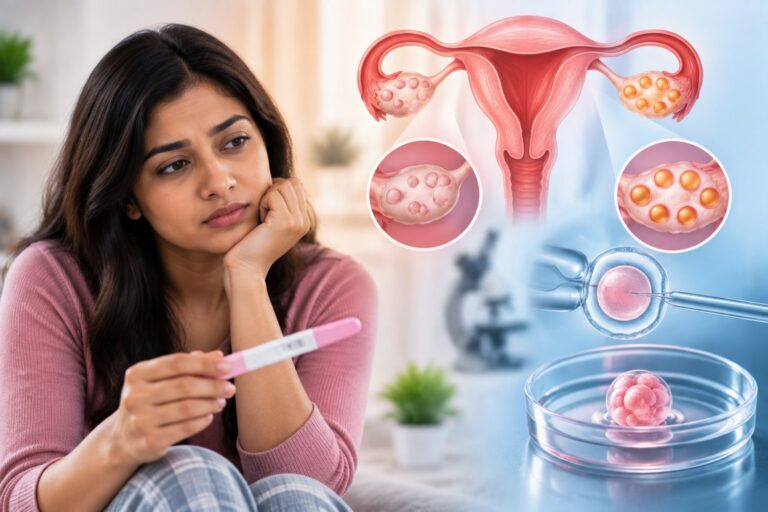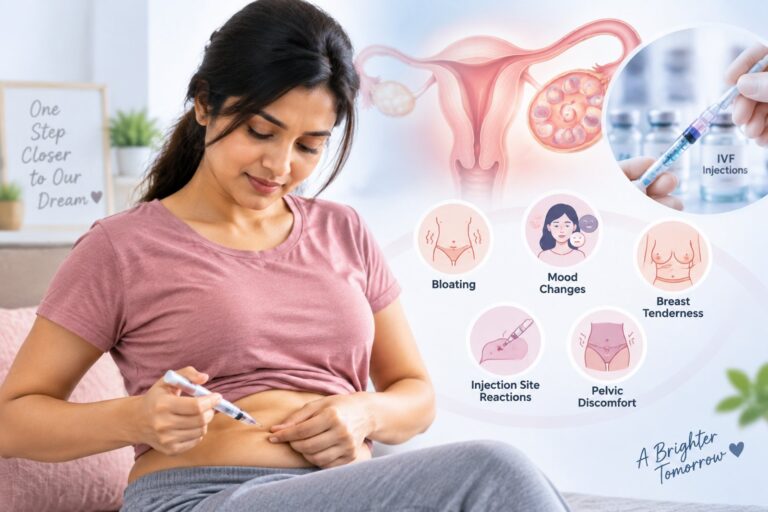


A healthy pregnancy begins before a positive pregnancy test.
You have decided it is time to start a family. Perhaps you have already started tracking your periods, taking care of your diet or wondering how soon you might conceive.
But have you considered a health check-up before trying for pregnancy?
Many couples think medical care begins only after pregnancy is confirmed. In reality, the months before conception provide an opportunity to identify health concerns, review medicines, improve nutrition and prepare for pregnancy.
This is called preconception care.
A preconception consultation does not mean something is wrong. It helps you understand your health and make informed decisions before pregnancy.
What Is a Preconception Health Check-Up?
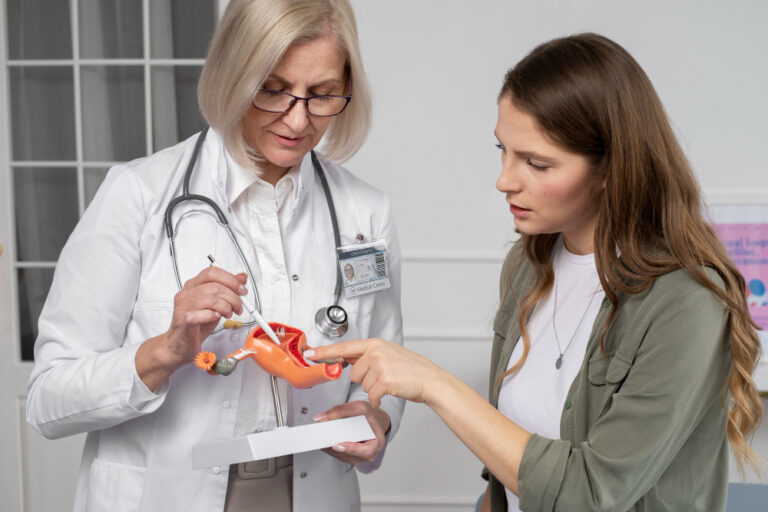
A preconception health check-up is a medical assessment conducted before pregnancy.
It generally focuses on:
- Overall physical and reproductive health
- Existing medical conditions
- Menstrual and pregnancy history
- Medicines and supplements
- Vaccination status
- Nutrition and lifestyle
- Family history and inherited conditions
Not everyone needs the same tests. Your doctor recommends investigations according to your medical history, age and individual risk factors.
The aim is to identify concerns that may affect conception or pregnancy and address them where possible.
Why Are Health Checks Important Before Pregnancy?
Pregnancy places additional demands on the body.
Certain conditions, including diabetes, thyroid disorders, anaemia and high blood pressure, may need assessment or better control before conception.
For example, uncontrolled diabetes around the time of conception increases the risk of pregnancy complications. Similarly, untreated thyroid disorders may affect reproductive health and pregnancy outcomes.
Reviewing these concerns before pregnancy gives your healthcare team time to plan appropriate care.
Preconception assessment is particularly important if you have:
- Irregular menstrual cycles
- PCOS or thyroid disease
- Diabetes or hypertension
- Previous miscarriages
- A history of fertility difficulties
- A known inherited condition in the family
- Regular prescription medicine use
Essential Health Checks Before Conceiving
1. Complete Medical and Reproductive History
Your doctor may begin by asking about your menstrual cycles, past pregnancies, previous surgeries and ongoing medical conditions.
This discussion can help identify whether additional fertility or pregnancy-related assessment is needed.
2. Complete Blood Count
It may identify anaemia, which should be investigated and addressed appropriately before pregnancy.
A complete blood count helps assess haemoglobin and other blood components.
Additional iron studies may be recommended if anaemia is suspected.
3. Blood Sugar Assessment
Blood glucose or HbA1c testing may be recommended if you have diabetes or risk factors for the condition.
Good blood sugar management before conception is particularly important for women with pre-existing diabetes.
4. Thyroid Function Testing
Thyroid testing is especially relevant if you have symptoms, known thyroid disease, irregular cycles or a history suggesting thyroid dysfunction.
Not every woman requires an extensive thyroid hormone panel.
5. Blood Group and Rh Status
Knowing your blood group and Rh type helps with pregnancy planning.
Rh-negative women may require specific monitoring and preventive care during pregnancy.
6. Immunity and Infection Screening
Your doctor may review immunity to rubella and varicella, vaccination history and the need for relevant infection screening.
Tests for infections such as HIV, hepatitis B or syphilis may be advised according to clinical history and local antenatal protocols.
Some vaccines are preferably given before pregnancy, so discussing them early is useful.
7. Genetic Carrier Screening
If either partner has a family history of an inherited disorder, genetic counselling may be recommended.
Carrier screening for conditions such as thalassaemia can be relevant, particularly where family history or population risk suggests it.
Testing helps couples understand reproductive risks and available options.
Do You Need Fertility Tests Before Trying for Pregnancy?
Not necessarily.
If you have regular menstrual cycles, no known fertility concerns and are beginning to try for pregnancy, a routine fertility investigation may not be required.
Tests such as AMH, follicle tracking or fallopian tube assessment are generally recommended when there is a clinical reason.
An AMH test alone cannot predict whether you will conceive naturally.
Your doctor can help determine whether testing is appropriate based on your history.
What About Your Partner’s Health?
Preconception planning should involve both partners.
Male reproductive health may be affected by smoking, excessive alcohol intake, certain medicines, chronic diseases and other factors.
A male partner may benefit from reviewing:
- Existing medical conditions
- Current medicines
- Smoking and alcohol use
- Weight and physical activity
- Family history
- Previous reproductive difficulties
A semen analysis is not automatically necessary for every couple planning pregnancy, but it may be recommended when fertility concerns exist.
When Should You Start Folic Acid?
Folic acid is one of the most important steps in preparing for pregnancy.
The CDC recommends 400 micrograms of folic acid daily, beginning at least one month before conception and continuing during early pregnancy. It helps reduce the risk of neural tube defects affecting the baby’s developing brain and spine.
Some women require a higher prescribed dose because of specific medical circumstances.
Discuss your supplement needs with your doctor rather than choosing high-dose products independently.
Lifestyle Changes That Support Pregnancy Planning
Healthy daily routines matter before conception.
Practical steps include:
- Eat a balanced diet with adequate protein, iron and other essential nutrients.
- Maintain regular physical activity.
- Avoid smoking and recreational drugs.
- Avoid alcohol when planning or attempting pregnancy.
- Get sufficient sleep.
- Review medicines and supplements with your doctor.
- Manage existing medical conditions.
Do not stop prescribed medicines without medical advice. In some cases, the safest approach is to change treatment before conception under supervision.
When Should You Consult a Fertility Specialist?
An early consultation may be appropriate if you have:
- Very irregular or absent periods
- Known PCOS with ovulation difficulties
- Previous infertility treatment
- Suspected endometriosis
- Known reproductive tract problems
- Previous pelvic surgery
- Concerns about sperm quality
For couples without known fertility problems, evaluation is generally recommended after 12 months of regular unprotected intercourse if the female partner is under 35, or after six months if she is 35 or older. Earlier assessment may be appropriate when risk factors are present.
Preconception Care at ESHA IVF Fertility Center, Hyderabad
Planning for pregnancy is an opportunity to understand your reproductive health before difficulties arise.
At ESHA IVF Fertility Center, Hyderabad, couples can discuss their pregnancy plans, menstrual history, previous medical concerns and fertility-related questions.
Depending on individual needs, a fertility assessment may include ovulation evaluation, ultrasound examination, semen analysis or other investigations.
The purpose is to identify whether any concerns require attention before conception and help couples understand their next steps.
Frequently Asked Questions
1. How many months before pregnancy should I get a health check-up?
A consultation a few months before trying gives time to review medicines, vaccinations and existing health conditions.
2. Is an AMH test necessary before pregnancy?
Not routinely. AMH may help guide fertility treatment planning but does not reliably predict natural conception.
3. Can I plan pregnancy if I have thyroid problems?
Many women with thyroid disorders conceive successfully. Appropriate assessment and management are important.
4. Is folic acid needed before pregnancy?
Yes. Folic acid is recommended before conception because early fetal development begins before many women know they are pregnant.
5. Should both partners attend preconception counselling?
Yes, where possible. Both partners’ health and reproductive histories may be relevant.
Conclusion
Preparing for pregnancy involves more than identifying fertile days.
A preconception health check-up helps review your overall health, identify concerns and plan appropriate care before conception.
Thinking about starting a family? Begin with an informed conversation about your reproductive health.
Consult the fertility experts at ESHA IVF Fertility Center, Hyderabad, for guidance on preconception health and fertility planning.
Medical Disclaimer: This article provides general health information. Preconception tests and recommendations should be individualised by a qualified healthcare professional.