Introduction
Many women first hear about Low AMH and IVF when they start fertility testing. Sometimes, a low AMH result can cause worry. However, it is important to know that AMH, or Anti-Müllerian Hormone, only tells part of the story about ovarian reserve, which means the number of eggs in the ovaries. Even with low AMH, pregnancy is still possible. In fact, timely fertility evaluation can help women understand their options. Every woman’s fertility journey is unique, so personal guidance is important.
What Is AMH and Why Is It Important in Fertility?
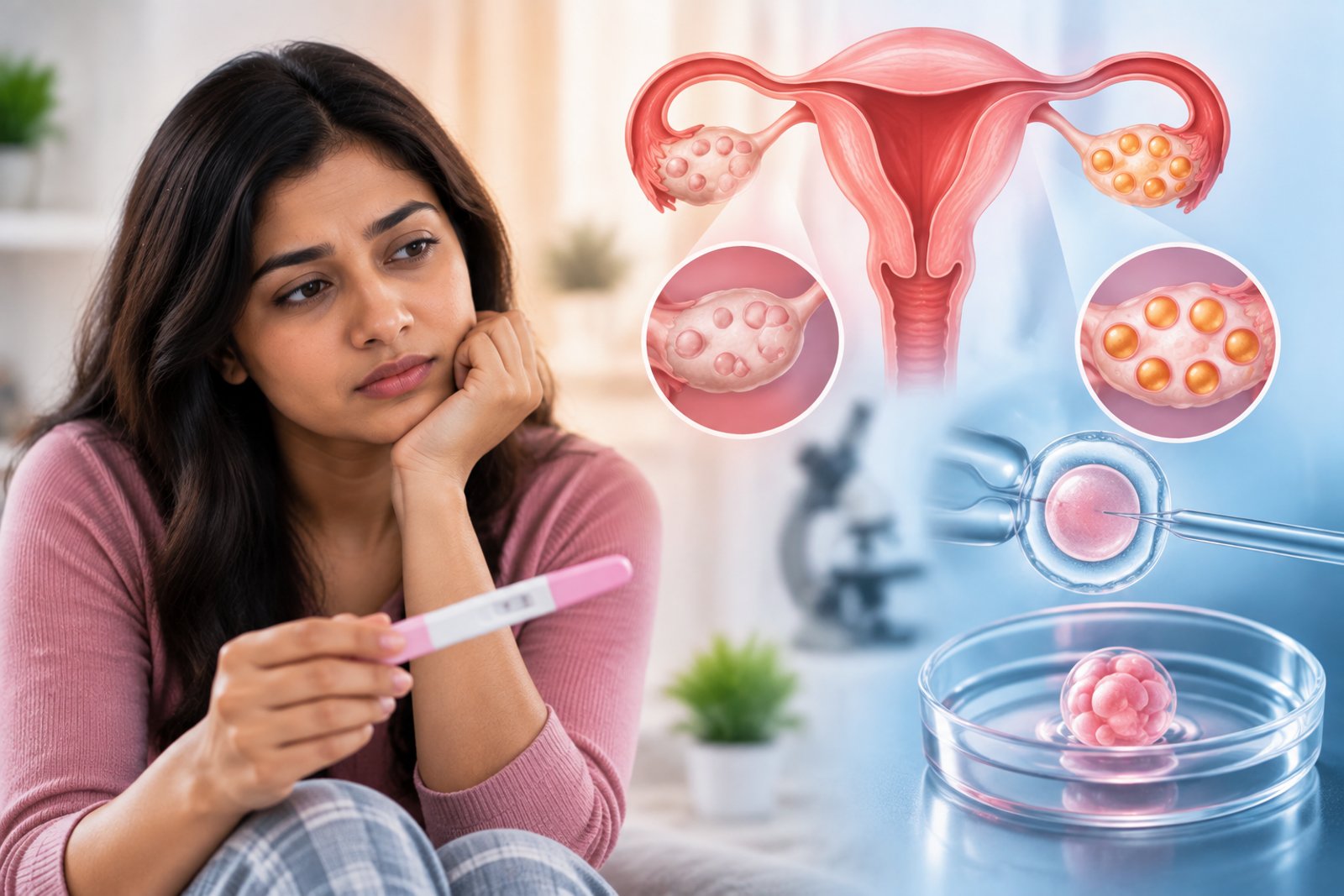
AMH stands for Anti-Müllerian Hormone. Ovarian follicles, which are tiny sacs holding eggs, make AMH. Doctors use the AMH test for fertility because it helps show the ovarian reserve. This means AMH tells us about the number of eggs, not their quality. For this reason, AMH is only one part of ovarian reserve testing. Age is also a key factor in fertility. While AMH helps guide treatment, doctors look at the whole picture before making decisions.
What Does Low AMH Mean?
Low AMH means there are fewer eggs left in the ovaries than expected for a woman’s age. As a result, there may be fewer eggs available for stimulation during fertility treatment. Still, low AMH does not directly predict if a woman can get pregnant naturally. Several factors can affect AMH levels, such as:
Can Women With Low AMH Get Pregnant?
Even with low AMH, pregnancy can still happen. Fertility depends on many things, including:
Therefore, women with low AMH should seek timely fertility guidance. This helps them make informed choices about their next steps.
When Should Women With Low AMH Consider Fertility Treatment?
At times, a fertility consultation is helpful for women with low AMH. For example, it may be needed if:
How Does IVF Help Women With Low AMH?
IVF for low AMH can offer hope. IVF, or in vitro fertilisation, is a process with several steps:
Importantly, IVF treatment plans are tailored to each woman’s response and fertility factors. This means doctors adjust the approach based on individual needs.
Factors That Influence IVF Planning in Low AMH
Several things help guide IVF planning for women with low ovarian reserve. These include:
Because every woman is different, IVF specialists use all this information to create a plan that fits best.
Lifestyle Support During Fertility Treatment
While lifestyle changes cannot increase egg number, they can support reproductive health. For example, women can:
These steps help create a healthy environment for fertility treatment.
Why Early Fertility Consultation Matters
Because ovarian reserve changes over time, early consultation can make a difference for women with low AMH. This allows women to understand their fertility options and plan ahead. Early guidance supports informed decisions about treatment or fertility preservation.
Why Choose Esha IVF?
Esha IVF offers many benefits for women seeking fertility care. For instance, the clinic provides: