
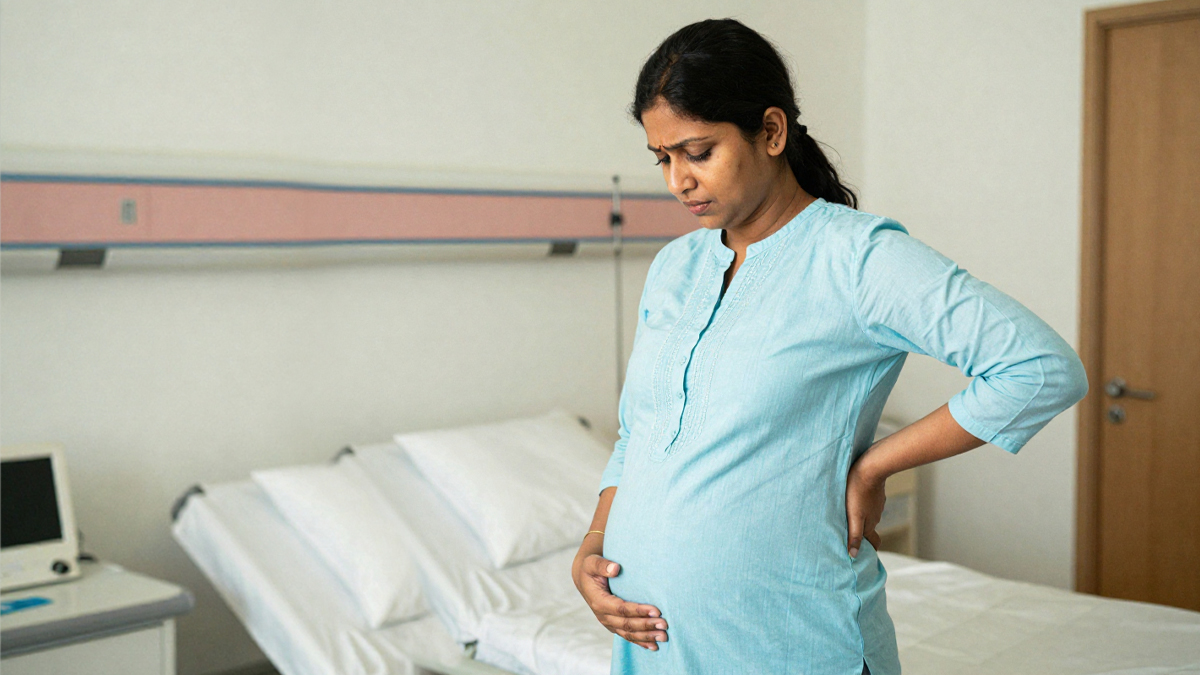
Preterm labor happens when your body starts preparing for birth too early, usually before 37 weeks of pregnancy. Knowing the warning signs of preterm labor is important for every pregnant person. Early action can help protect both you and your baby. In this blog, we will explain what preterm labor is, why it matters, and how to recognize the early signs of preterm labor. We will also share what to do if you notice symptoms of premature labor.
What Is Preterm Labor?
Preterm labor means your body begins the process of giving birth before 37 weeks of pregnancy. Normally, a full-term pregnancy lasts about 40 weeks. However, when labor starts too soon, the baby may not be fully developed. This can lead to health problems for the baby. According to the World Health Organization (WHO), preterm birth is a leading cause of newborn health issues worldwide.
Why Recognizing Warning Signs Matters
Recognizing the warning signs of preterm labor can make a big difference. If you spot symptoms early, you can get help right away. This may lower the risk of early birth and help keep your baby safe. In many cases, quick action can delay labor and give your baby more time to grow. Therefore, knowing how to recognize preterm labor is very important for all expectant parents.
Key Warning Signs of Preterm Labor
It is important to watch for the following early signs of preterm labor. If you notice any of these symptoms of premature labor, contact your healthcare provider:
- You feel your belly tighten every 10 minutes or more often. These may not be painful, but they come and go in a pattern.Regular contractions:
- You may feel a constant ache in your lower back. Sometimes, the pain comes and goes.Low, dull back pain:
- You might feel like your baby is pushing down or there is extra pressure in your pelvis.Pelvic pressure:
- You may have cramps in your lower belly, similar to period pain.Menstrual-like cramps:
- Watch for more discharge than usual, or if it becomes watery, mucus-like, or bloody.Change in vaginal discharge:
- This could mean your water has broken early. It may feel like a sudden gush or a slow trickle.Fluid leaking from the vagina:
- Any blood from the vagina should be checked right away.Spotting or light bleeding:
- Some people notice nausea, diarrhea, or just feel that something is not right.Feeling unwell:
What To Do If You Notice Warning Signs
If you notice any early signs of preterm labor, take these steps:
- First, stop what you are doing and rest on your left side.
- Next, drink two or three glasses of water. Sometimes, dehydration can cause contractions.
- Then, keep track of your symptoms. Write down when they started and how often they happen.
- After that, call your healthcare provider right away. Share all your symptoms, even if you are not sure they are serious.
- If your symptoms get worse or do not go away after one hour, seek medical help immediately.
When to Seek Immediate Medical Help
Sometimes, you need to get help without delay. Go to the hospital or call your doctor if:
- You have strong, regular contractions every 10 minutes or less.
- You notice a sudden gush or steady trickle of fluid from your vagina.
- You have heavy vaginal bleeding.
- You feel severe pain or pressure in your lower belly.
- You feel that something is very wrong, even if you cannot explain why.
Quick action can help protect both you and your baby.
Frequently Asked Questions About Preterm Labor Warning Signs
Can preterm labor be stopped?
In many cases, doctors can slow or stop preterm labor, especially if it is caught early. Medicines and bed rest may help. However, every case is different, so it is important to get checked right away.
Are all contractions a sign of preterm labor?
No, not all contractions mean you are in preterm labor. Sometimes, you may have “Braxton Hicks” contractions, which are mild and irregular. But if contractions become regular or painful, call your doctor.
What increases the risk of preterm labor?
Some factors include carrying twins, past preterm births, infections, or certain health problems. However, preterm labor can happen to anyone, so always watch for warning signs.
Conclusion & Next Steps
To sum up, knowing the warning signs of preterm labor can help you act quickly and keep your baby safe. If you notice any early signs of preterm labor, do not wait. Consult your healthcare provider at immediately. Early care can make a significant difference for both you and your baby.ESHA IVF Centre