What is Adenomyosis?
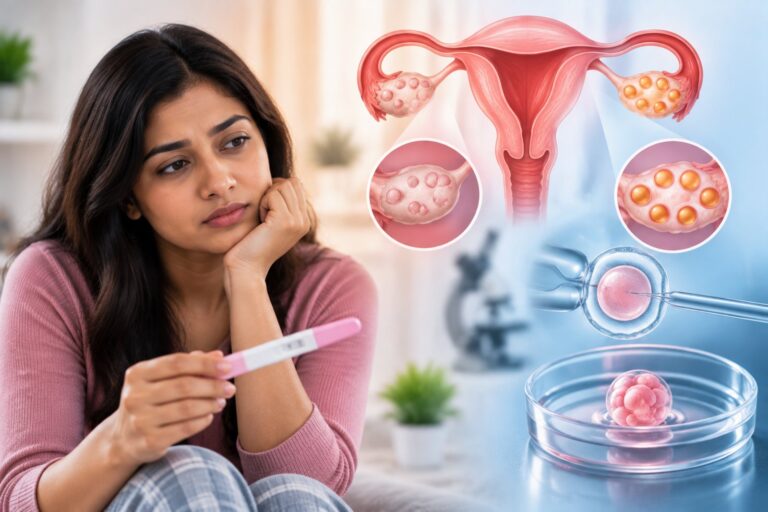
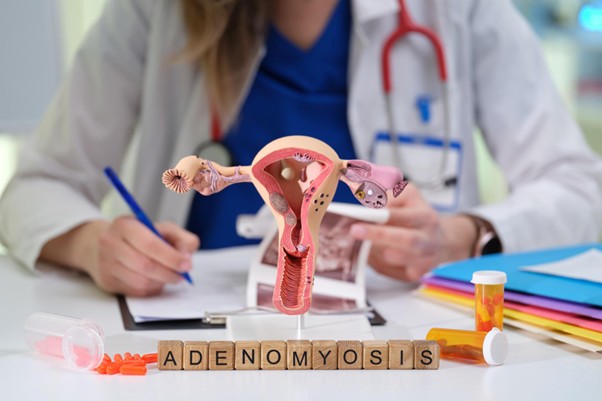
Adenomyosis is a condition where the tissue that lines the uterus grows into the muscle wall of the uterus. This can cause the uterus to become larger and thicker. Often, women with adenomyosis may not notice any symptoms at first. However, over time, it can lead to pain and heavy periods. According to the World Health Organization (WHO), adenomyosis is common in women between 30 and 50 years old. Because it affects the uterus, many women wonder about the link between adenomyosis and fertility.
How Does Adenomyosis Affect Fertility?
Many women ask, “Can adenomyosis cause infertility?” While not all women with adenomyosis have trouble getting pregnant, the condition can make it harder for some. For example, the thickened uterus may make it difficult for an embryo to implant. In addition, inflammation caused by adenomyosis can affect the quality of the uterine lining. As a result, women with adenomyosis may have a higher risk of miscarriage or trouble conceiving. Still, many women with adenomyosis do become pregnant, especially with the right care.
Symptoms and Diagnosis of Adenomyosis
Recognizing adenomyosis early can help with treatment. Common symptoms include:
- Heavy or long periods
- Severe cramps during periods
- Pain during sex
- Pelvic pain or pressure
- Spotting between periods
However, some women may have mild or no symptoms. Because these signs can be similar to other conditions, it is important to see a doctor for a proper diagnosis. Usually, doctors use a pelvic exam, ultrasound, or MRI to check for adenomyosis. Sometimes, more tests are needed to rule out other causes of pain or bleeding.
Treatment Options for Adenomyosis and Fertility
Treatment for adenomyosis in women trying to conceive depends on symptoms and fertility goals. Some options include:
- Medications to manage pain and heavy bleeding, such as anti-inflammatory drugs
- Hormone therapy to control symptoms and improve the uterine lining
- Minimally invasive procedures, like uterine artery embolization, to reduce symptoms
- Surgery to remove adenomyosis tissue, in severe cases
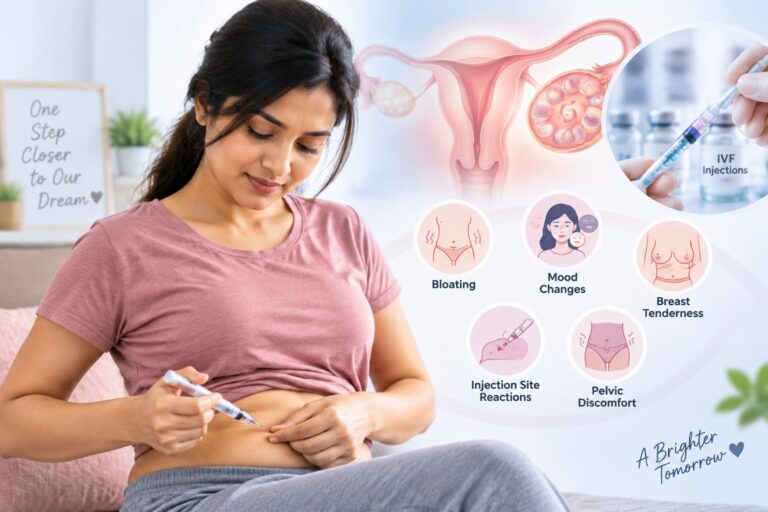
- Assisted reproductive techniques, such as IVF, for women struggling to conceive
Because every woman is different, a gynecologist will suggest the best treatment plan. In some cases, combining treatments can help improve fertility outcomes. If you are looking for adenomyosis treatment options in your area, ask your doctor about local specialists.
Lifestyle Tips and Self-Care
Along with medical treatments, healthy habits can support your well-being. For instance, you can:
- Maintain a healthy weight through balanced eating
- Exercise regularly to reduce stress and pain
- Use heat packs to ease cramps
- Track your menstrual cycle to notice changes
- Get enough rest and manage stress with relaxation techniques
Although lifestyle changes cannot cure adenomyosis, they can help you feel better and support your fertility journey.
Prevention and When to See a Doctor
Currently, there is no sure way to prevent adenomyosis. However, early detection and treatment can help manage symptoms and protect fertility. If you notice heavy periods, severe cramps, or trouble getting pregnant, it is important to talk to your doctor. Early care can make a big difference. In summary, regular check-ups and open conversations with your healthcare provider are key.
If you have concerns about adenomyosis and fertility, consult Esha IVF Fertility Centre for personalized advice.