
Introduction
Environmental toxins are harmful chemicals found in our surroundings. These toxins can come from air, water, food, or products we use every day. Many studies show a strong link between environmental toxins and fertility problems. In fact, both men and women can face challenges when exposed to these harmful substances. For example, research from the World Health Organization (WHO) and the Centers for Disease Control and Prevention (CDC) highlights how toxins affect fertility and overall reproductive health. If you want to reduce exposure to reproductive toxins, it is important to learn about the connection between fertility and environment.
What Are Environmental Toxins?
Environmental toxins are chemicals or substances that can harm our bodies. They are found in many places, such as the air we breathe, the water we drink, and the food we eat. Some toxins are natural, but many are made by people. For instance, pesticides, heavy metals, and plastics are common examples. These toxins can enter our bodies through skin contact, breathing, or eating. Over time, even small amounts can build up and cause health problems.
How Do Environmental Toxins Affect Fertility?
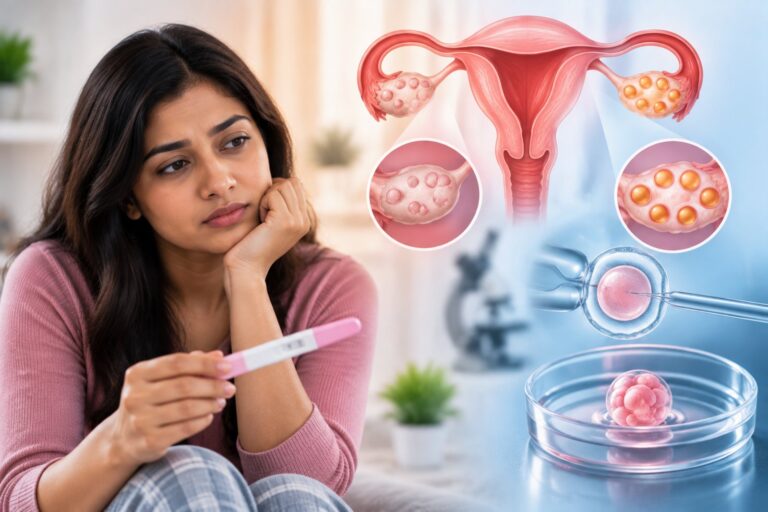
Many toxins can harm the parts of the body that control reproduction. For women, toxins may affect the ovaries or the ability to carry a pregnancy. For men, toxins can lower sperm count or damage sperm quality. As a result, it may be harder to get pregnant or stay pregnant. Studies show that long-term exposure to certain chemicals can lead to hormone changes, irregular periods, or problems with sperm. Therefore, both men and women should be aware of these risks.
Common Sources of Fertility-Impacting Toxins
It is important to know where these toxins come from. Many everyday items can be sources of harmful chemicals. Here are some common sources:
- Pesticides on fruits and vegetables
- Plastic containers and bottles (especially those with BPA)
- Household cleaning products
- Personal care products (like lotions and perfumes)
- Air pollution from cars and factories
- Heavy metals in fish or old pipes (like lead and mercury)
- Secondhand smoke and tobacco
Because these sources are common, it is easy to come into contact with them every day.
Recognizing Symptoms and Risks
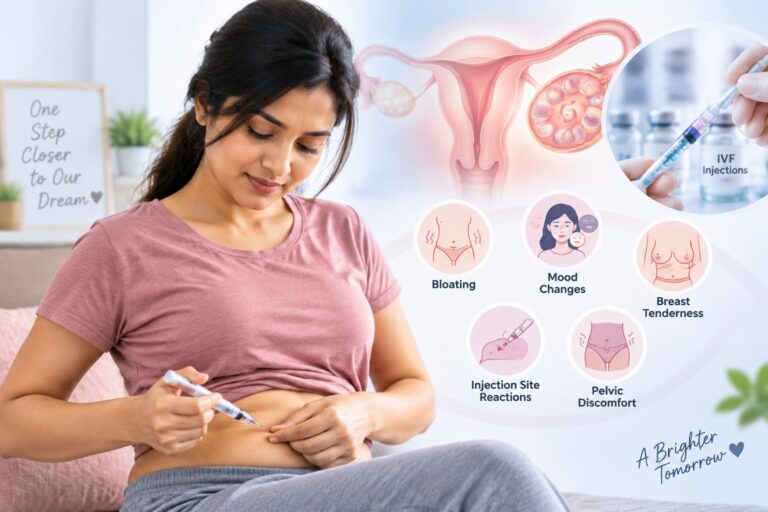
Sometimes, the effects of toxins on fertility are not easy to see. However, some signs may suggest a problem. For example, women may notice irregular periods or trouble getting pregnant. Men may have low sperm count or changes in sexual health. Other symptoms can include tiredness, headaches, or changes in mood. If you notice these signs, it is wise to talk to a doctor. Early action can help reduce risks.
Diagnosis and Medical Evaluation
Doctors can help find out if toxins are affecting your fertility. They may ask about your home, work, and lifestyle. Blood or urine tests can check for certain chemicals. In some cases, doctors may suggest tests for hormone levels or sperm quality. Because early diagnosis is important, do not wait if you have concerns. Medical experts use guidelines from trusted sources like the CDC and WHO to guide their care.
Steps to Reduce Exposure and Protect Fertility
There are many ways to lower your risk from environmental toxins. Here are some simple steps you can take:
- Wash fruits and vegetables before eating
- Choose glass or stainless steel containers instead of plastic
- Use natural cleaning products when possible
- Read labels on personal care items and avoid harsh chemicals
- Limit time spent in areas with heavy air pollution
- Check your home for old pipes and use water filters if needed
- Avoid smoking and stay away from secondhand smoke
By making these changes, you can help protect your reproductive health.
Prevention and Healthy Habits
Prevention is always better than cure. So, try to build healthy habits into your daily life. For example, eat a balanced diet with plenty of fresh foods. Drink clean water and stay active. Also, keep your home clean and well-ventilated. If you work with chemicals, use safety gear and follow all safety rules. Because small steps add up, even simple changes can make a big difference over time.
Conclusion
Environmental toxins can have a big impact on fertility for both men and women. However, you can take steps to reduce exposure and protect your reproductive health. If you have concerns or notice symptoms, consult Esha IVF Fertility Center for personalised advice on reducing toxin exposure and improving reproductive health.